

Lennen Bilingual School

Early Childhood

In the Early Childhood program at Lennen Bilingual School, children grow within a bilingual environment that is caring, structured, and secure. From ages 2 to 6, they develop language skills, motor development, creativity, and self-confidence at their own pace, supported by daily immersion in French and English and guided by a dedicated and attentive teaching team.

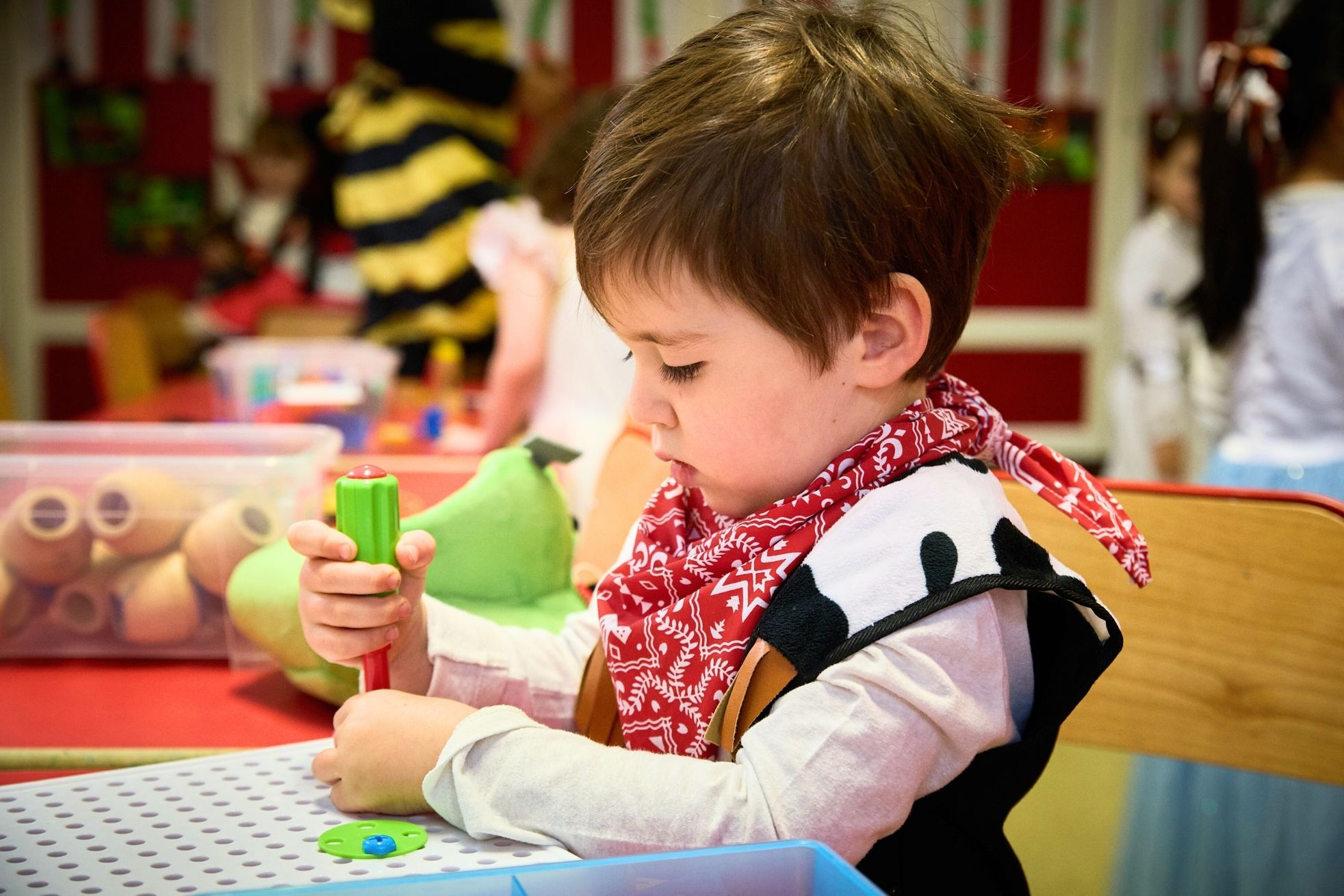
Activités manuelles maternelle bilingue Paris - Lennen Bilingual School

Our vision

Notre vision

In the Early Childhood years, our educational vision is grounded in a balanced approach to the prime areas of development: emotional well-being, social development, communication and language, and physical development, alongside strong foundations in cognitive learning. We believe children learn most effectively when they feel safe, secure, valued, and listened to within a nurturing and structured environment. Respect for individual developmental pace and the growth of self-confidence underpin all learning experiences.
Early literacy and numeracy are introduced progressively through play-based and experiential learning, in both French and English. Within a language-rich bilingual environment, children develop communication skills, fine and gross motor abilities, creativity, and an early understanding of the world. Learning experiences are carefully sequenced to support curiosity, independence, and engagement, fostering a genuine enjoyment of learning and establishing strong foundations for future academic success.

Toddlers and nursery

LEARNING DOMAINS

From the age of 2, children begin their school journey in a bilingual environment that is stimulating, structured, and deeply nurturing. Learning is grounded in play-based and experiential pedagogy, supported by a carefully designed early years curriculum that respects each child’s developmental stage, pace, and individual needs. Through daily immersion with one French-speaking teacher and one English-speaking teacher present throughout the day, children are naturally exposed to both languages within a rich linguistic environment. Artistic, physical, language-based, and early logical activities support curiosity, self-confidence, and the development of key socio-emotional skills. Music and movement sessions are provided weekly by specialist instructors, contributing to children’s physical development, sensory awareness, and creative expression.

Typical Week

in toddler and nursery

The typical week in the Toddler and Nursery sections is structured around consistent routines, a variety of learning activities, and essential periods of rest. Each day balances learning, play, music, exploration, and daily routines, providing children with a secure, nurturing, and well-paced environment that supports their well-being and developmental needs.

Days
Morning
Noon
Afternoon

Pre-k & Kindergarten

LEARNING DOMAINS

In Pre-Kindergarten and Kindergarten, play-based learning continues and is progressively enriched to support deeper engagement and learning. Through carefully structured workshops, children develop autonomy, curiosity, and a sustained love of learning, while each child’s individual pace, profile, and personality are fully respected.
Early literacy, mathematics, and scientific inquiry are introduced naturally and meaningfully through integrated language, artistic, and physical activities. Full bilingual immersion is ensured, with one French-speaking teacher and one English-speaking teacher present in each classroom, creating a rich and balanced language environment. Music, psychomotor development, and swimming complete the weekly program, supporting children’s holistic development across cognitive, physical, social, and emotional domains.

Typical Week

in pre-k & kindergarten

In Pre-Kindergarten and Kindergarten, the typical week blends structured learning periods with creative activities and play-based experiences. Weekly organization is designed to support concentration, foster growing independence, and nurture a genuine enjoyment of learning, while respecting each child’s individual pace and progressively preparing students for the academic expectations of primary school.

Days
Morning
Noon
Afternoon

Early Childhood in Pictures

Our Curious Learners

Through these images, discover the daily life of our youngest learners. Play, workshops, moments of exploration, and shared experiences reflect a caring and supportive environment where children learn through hands-on discovery, active exploration, and self-expression—guided by attentive adults who respect each child’s development, well-being, and individual pace.

The Teaching team

The Early Childhood teaching team supports each child with both care and high expectations. Present on a daily basis, French-speaking and English-speaking teachers work collaboratively in pairs to establish a climate of trust, support early development, encourage growing independence, and guide learning within a structured, caring, and secure environment.

Highlights

Early Childhood News

Explore life in the Early Childhood program through projects, outings, and key moments throughout the year. These updates offer a window into students’ daily experiences and illustrate the school’s educational spirit, pedagogy, and the richness of learning at Lennen Bilingual School.

Paris by the water: our favorite family aquatic outings

Parisian summers have a unique magic, a blend of long sunny days and vibrant energy. But when the temperature rises, a single desire takes over: finding a cool haven. Far from the clichés, the capital and its surroundings are full of aquatic treasures for sharing simple, joyful family moments. An invitation to rediscover Paris with your feet in the water.

Why preschool is a defining chapter for bilingualism

Between the ages of two and six, a child’s brain absorbs language with an intensity that will never quite return. It is during these early years, when sounds take hold and sentence structures settle in like second nature, that bilingualism truly takes root. Understanding what happens at this age means giving your child the best possible start in a quiet, irreversible journey.

Classroom projects that help little ones grow

To watch a young child engage in a classroom project is to see curiosity take shape and enthusiasm become a skill. Far from a simple activity, a project is a collective adventure where each child, at their own pace, explores, builds, and discovers themselves. It is a foundational experience that transforms the classroom into a true workshop of ideas and cooperation.

Preparing for

Early Childhood Entry

Choosing an early childhood school is an important step for the whole family. At Lennen Bilingual School, we support parents at every stage of the admissions process, taking the time to connect, answer questions, and present our educational approach. Our team is available to guide you and help you thoughtfully envision your child’s educational journey, from the very first years.

FAQ’s

At what age can my child join ?

Lennen Bilingual School welcomes children from the age of 2 in the Toddler Program (Toute Petite Section). Integration is gradual and carefully supported within a secure and nurturing environment. The educational team adapts the daily schedule to the needs of the youngest learners, working in close partnership with families. Each child receives individualized support during this important first experience of school life.

No prior knowledge of English is required. Children acquire both languages naturally through daily immersion in French and English. The continuous presence of both a French-speaking and an English-speaking teacher ensures a gradual, supportive, and pressure-free language-learning process. Bilingualism develops through listening, play, repetition, and meaningful daily interactions.

The adaptation process is gradual and developed in close partnership with families. The first days may be adjusted according to each child’s individual needs. The objective is to establish a climate of trust in which children feel safe, heard, and supported. Open and ongoing communication with families is a central part of this transition period.

Respect for each child’s individual pace lies at the heart of our educational approach. Learning periods are thoughtfully balanced with time for play, rest, and exploration. Small class sizes allow for personalized support, ensuring that every child progresses at their own rhythm, without comparison or unnecessary pressure.

What subjects are taught in Early Childhood ?

Learning domains include language development, motor skills, early mathematical concepts, discovery of the world, and creative expression. Visual arts, music, psychomotor development, and swimming complement the core curriculum. All learning takes place within a playful yet structured framework that is carefully adapted to the developmental stage of young children.

Classes average around 15 students, ensuring individualized attention for each child. This small-group setting allows teachers to know every child well and closely support their development on a daily basis. It also fosters a calm, reassuring classroom atmosphere that supports learning and the development of self-confidence.

Early Childhood education lays the essential foundations for a smooth and confident transition to primary school. Children develop autonomy, self-confidence, language skills, and early academic competencies. In Kindergarten (Grande Section), early literacy and numeracy are introduced progressively, always with careful respect for each child’s individual pace and readiness.

For Toddlers, families may choose between a half-day or a full-day program, depending on their child’s needs and developmental rhythm. This flexibility supports a gradual and well-supported adaptation to school life. The teaching team works closely with families to guide this choice and adjust arrangements as needed, always prioritizing the child’s well-being.