
The French education system operates by its own rules, and it doesn’t reveal itself in a matter of weeks. Grade levels don’t translate neatly. Petite Section has no true equivalent in American schooling. CP doesn’t quite line up with first grade. Academic expectations, the shape of the school day, the significance of lunch, the rhythm of vacation breaks — all of it can disorient a family used to a different framework.
And this isn’t just about logistics. It’s about educational culture. In France, assessment tends to be normative. Mistakes are less celebrated than they are in the Anglo-Saxon pedagogical tradition. The teacher’s authority is understood differently. Play, in the early years, doesn’t hold the same central role it does in an American preschool classroom.
What you’re probably looking for isn’t a system that erases these differences but a place that recognizes them. A place where teachers understand what it means for a four- or six-year-old to learn in a language they haven’t yet mastered, while preserving everything they’ve already built in their mother tongue. Some bilingual schools in Paris, particularly those whose French-American dual curriculum stretches back several decades, have developed this expertise through daily practice, year after year, alongside families from around the world.
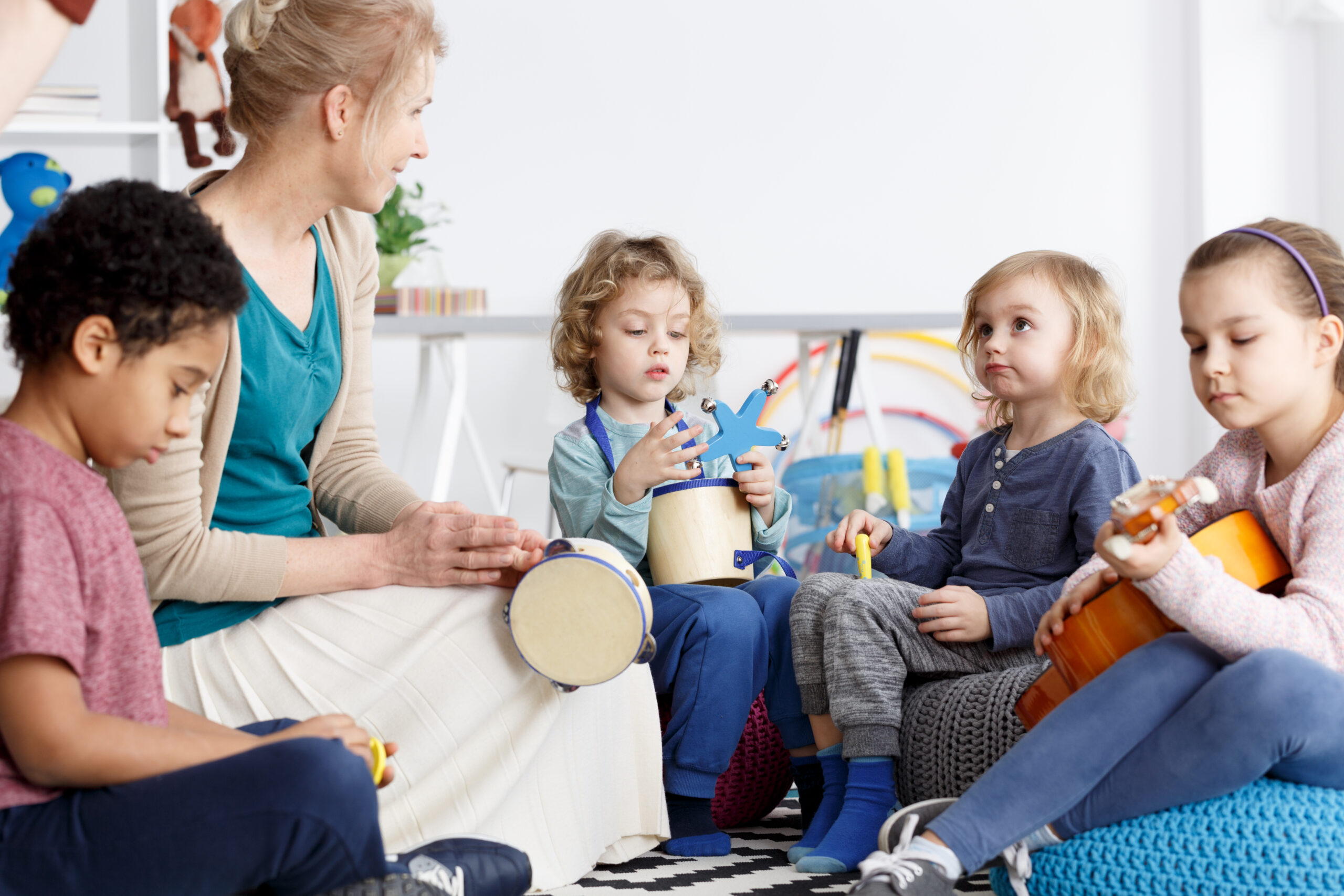
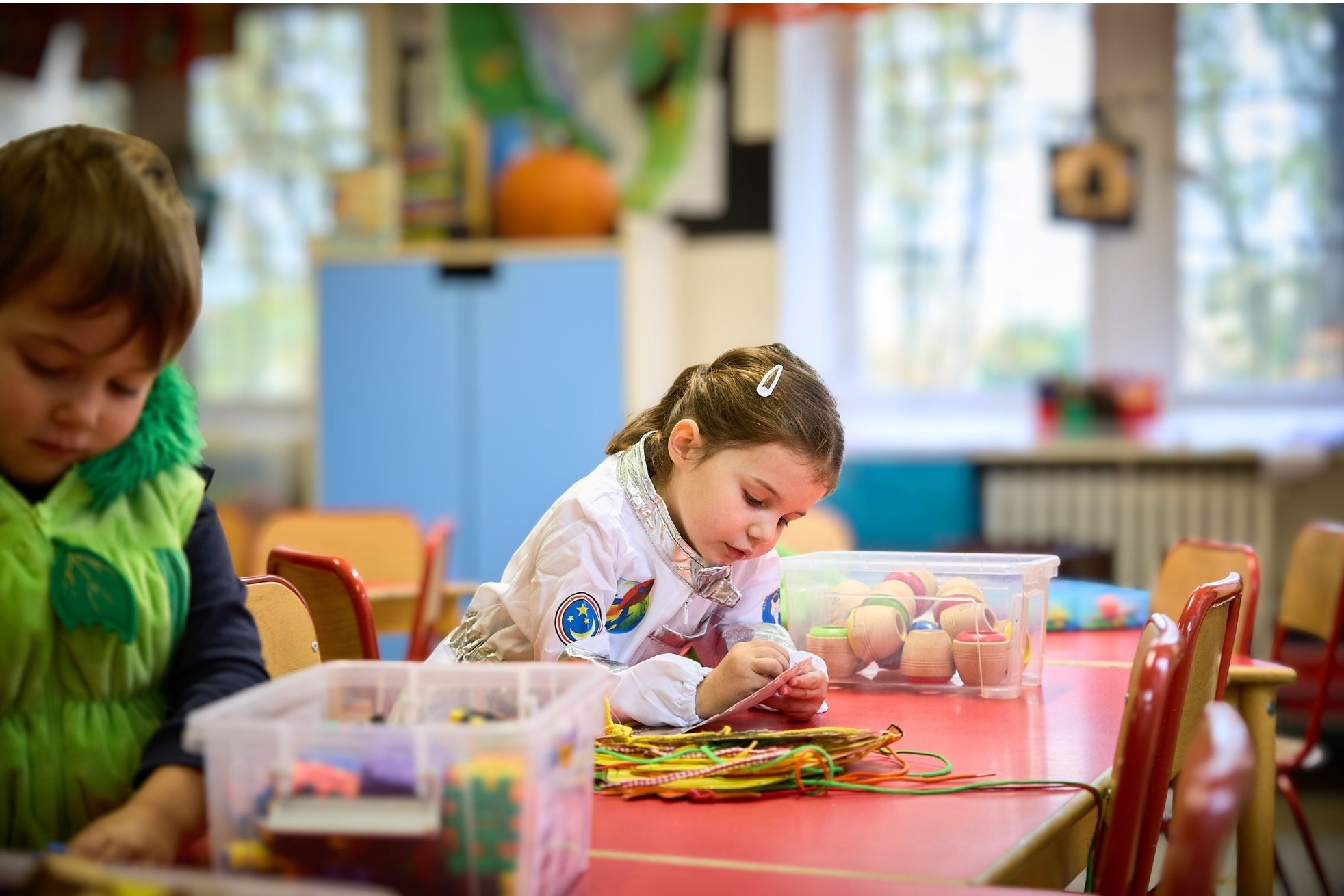
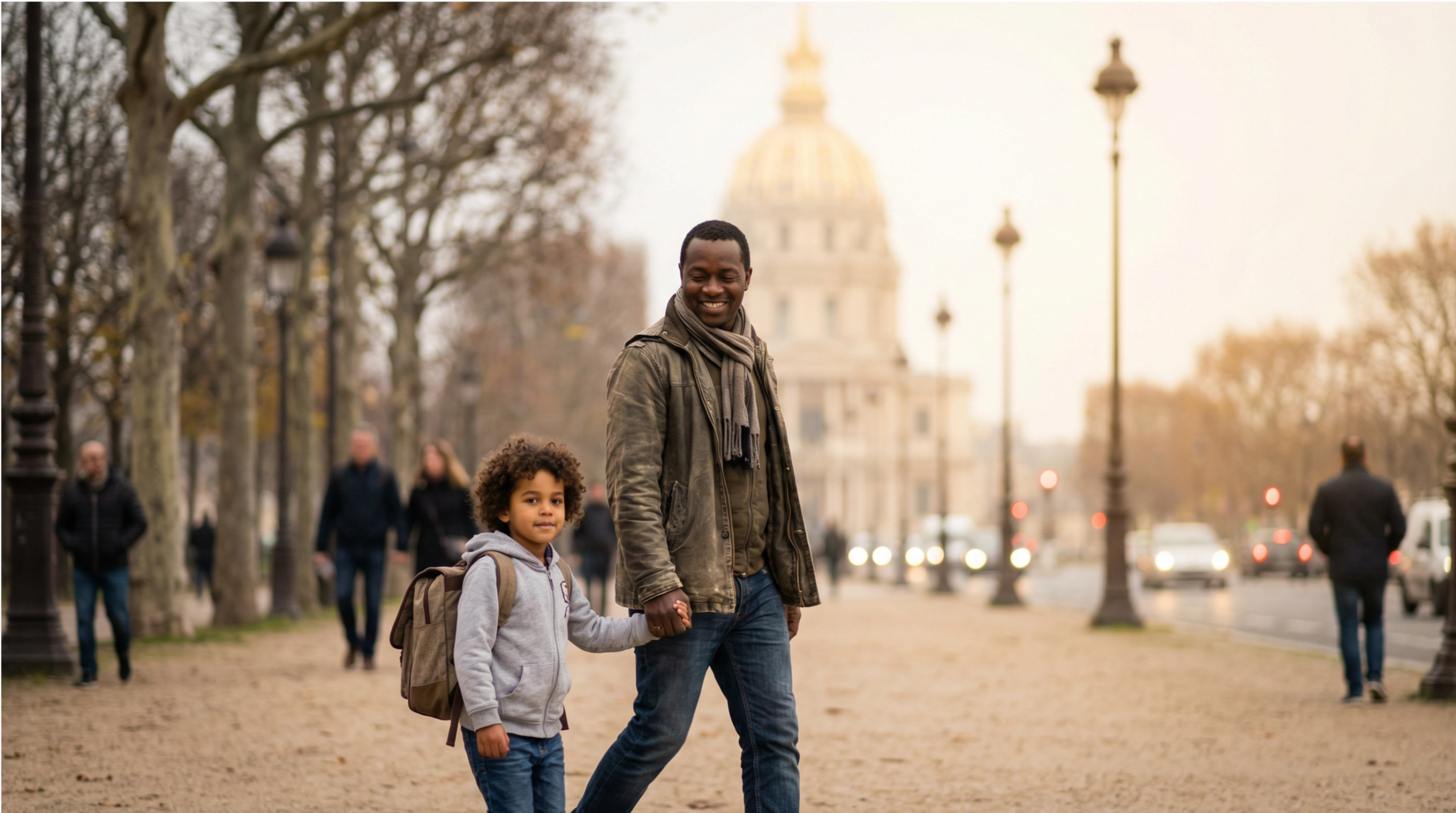
When you’re choosing a school from abroad, you’re not just choosing a program. You’re looking for an anchor. A place where your children can find stability after a move that upended every familiar landmark they had. Where parents, too, discover a community — friendly faces at morning drop-off, answers to questions they don’t always dare to ask. School becomes far more than a place of learning. It becomes the family’s first real connection to the city, the first place where they feel they belong, understood, and carried by a collective that shares their aspirations.
whether their child could thrive there. Are children encouraged to try, to speak, to make mistakes, and to learn from them? Do adults guide rather than compare? These everyday interactions are where children develop confidence, autonomy, and a sense of belonging.
When parents choose a school with clarity and trust, children feel it. That confidence becomes a foundation upon which they can take ownership of their own learning journey.
A program labeled as bilingual isn’t enough on its own. What matters is how the two languages actually coexist day to day. True bilingual education relies on native-speaking teachers in each language, balanced immersion, and a pedagogy designed so that neither French nor English is treated as secondary. It’s this careful attention to equilibrium that allows children to grow without losing what they’ve already built.
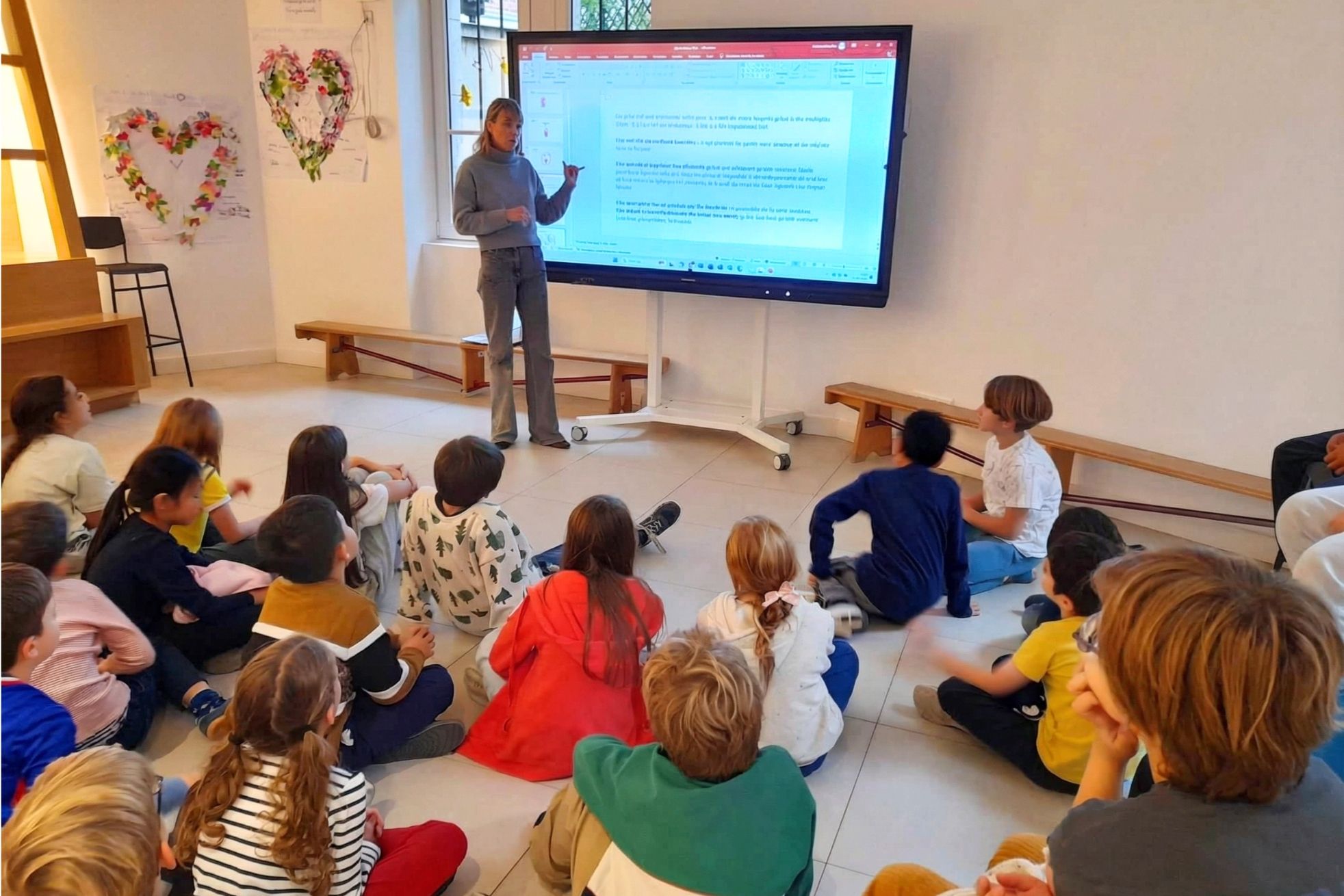
In a large institution, a child who arrives mid-year or doesn’t yet speak the language of instruction can easily go unnoticed. In a smaller school, every student is identified, welcomed, and supported from day one. The teacher knows who’s hesitating, who’s observing, who needs more time. It’s this closeness that makes real integration possible — not just academically, but emotionally.
A school that has been welcoming international families for decades doesn’t do things the same way a newly founded institution does. The experience shows in the details: how teachers speak with parents who don’t yet speak French, how flexible the admissions process is, how naturally the school adjusts individual pathways without dramatizing the gaps. Longevity here isn’t a badge of prestige — it’s proof of well-honed expertise.
Websites don’t tell the whole story. The best way to choose a school is to walk through its doors. Watch how children interact, listen to the languages circulating in the hallways, ask teachers what happens when a child cries on the first day or refuses to speak English. The answers to those questions say more than any brochure ever could. What you feel when you step inside matters just as much as what you read on a screen.