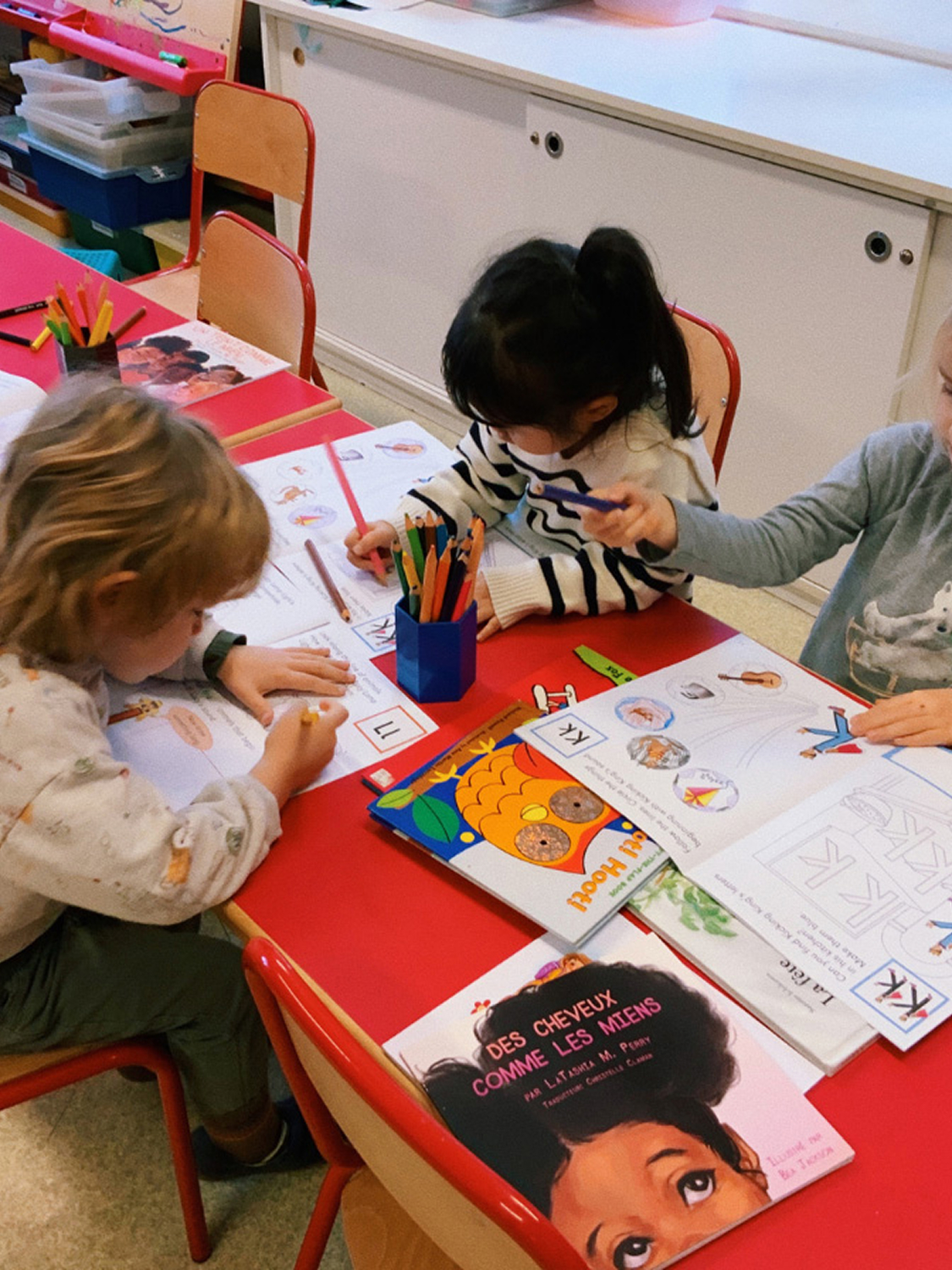
Research in cognitive neuroscience consistently highlights one essential finding: the period from birth to roughly age six represents what specialists call a window of linguistic sensitivity. During these years, a child’s brain processes the sounds of a second language with the same ease as those of the mother tongue. Neural connections form at a remarkable pace, and every interaction in another language — a word heard at breakfast, a nursery rhyme sung in class, an instruction given by a teacher — helps shape those networks.
This is not a matter of talent or predisposition. It is a matter of timing. A child exposed to two languages daily between the ages of two and six develops a refined phonological perception in both systems. They distinguish sounds that adult ears can no longer detect. They absorb intonations, rhythms, and distinct musicalities without apparent effort. This cerebral plasticity does not vanish abruptly after age six, but it gradually diminishes. Preschool corresponds precisely to this period of maximum openness, making it a critically important time to lay the foundations of an authentic, lasting bilingualism.

What strikes you most about a young child immersed in two languages is the absence of borders. They do not translate. They do not switch from one system to another the way an adult would. The two languages coexist, feed off each other, and the child moves between them with a fluidity rooted as much in confidence as in neurology. In preschool, this cohabitation feels especially natural because children learn through experience, play, and imitation. It is not a language class — it is a life lived in two languages at once.
Before a child ever speaks their first words in a second language, they listen. They absorb sounds, identify melodic patterns, and recognize where one word ends and another begins. This receptive phase, often invisible to parents, is fundamental. A child who appears not to speak English at home may in fact be building a considerable auditory repertoire — one that will surface when the moment is right, sometimes quite suddenly.
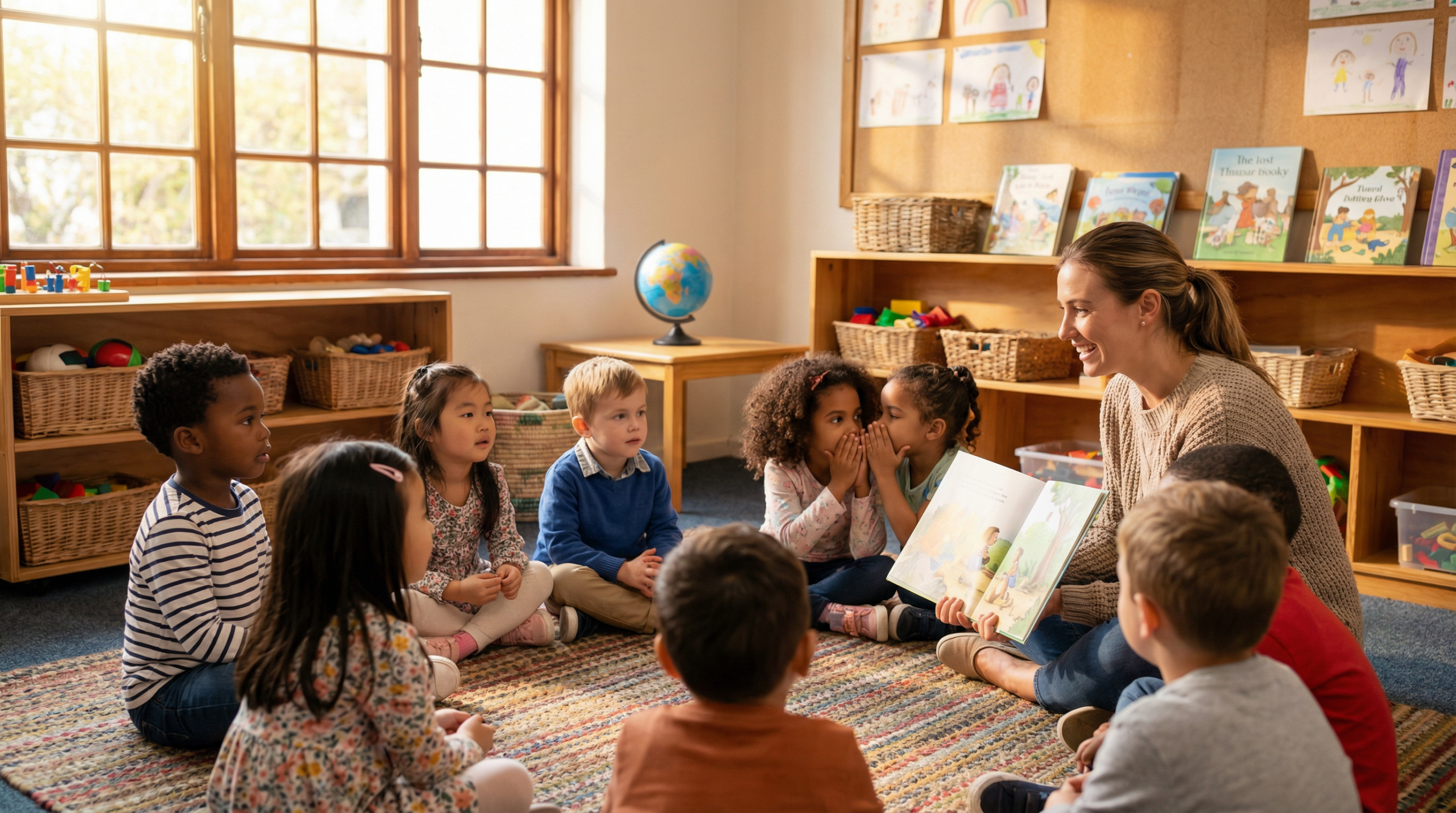
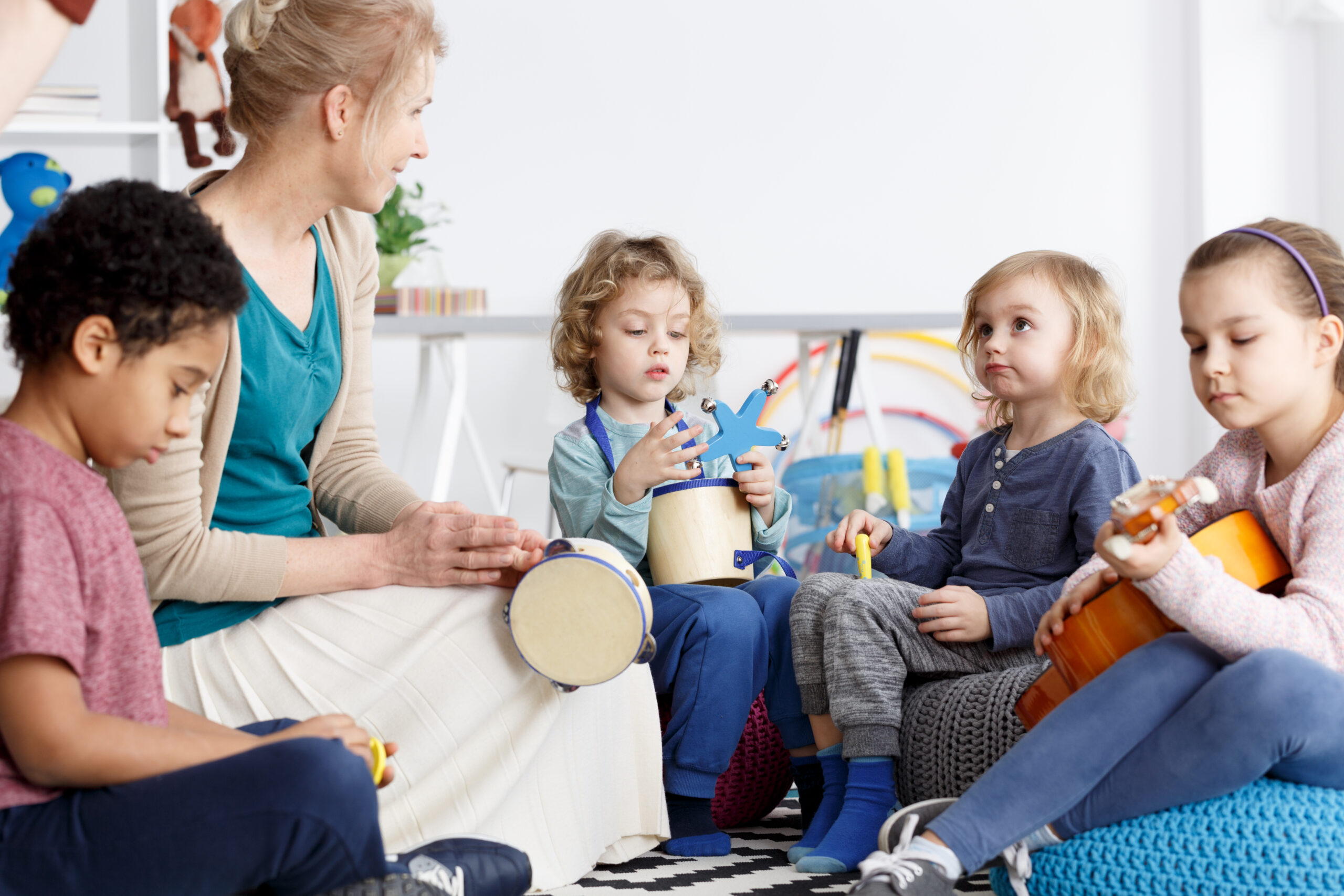
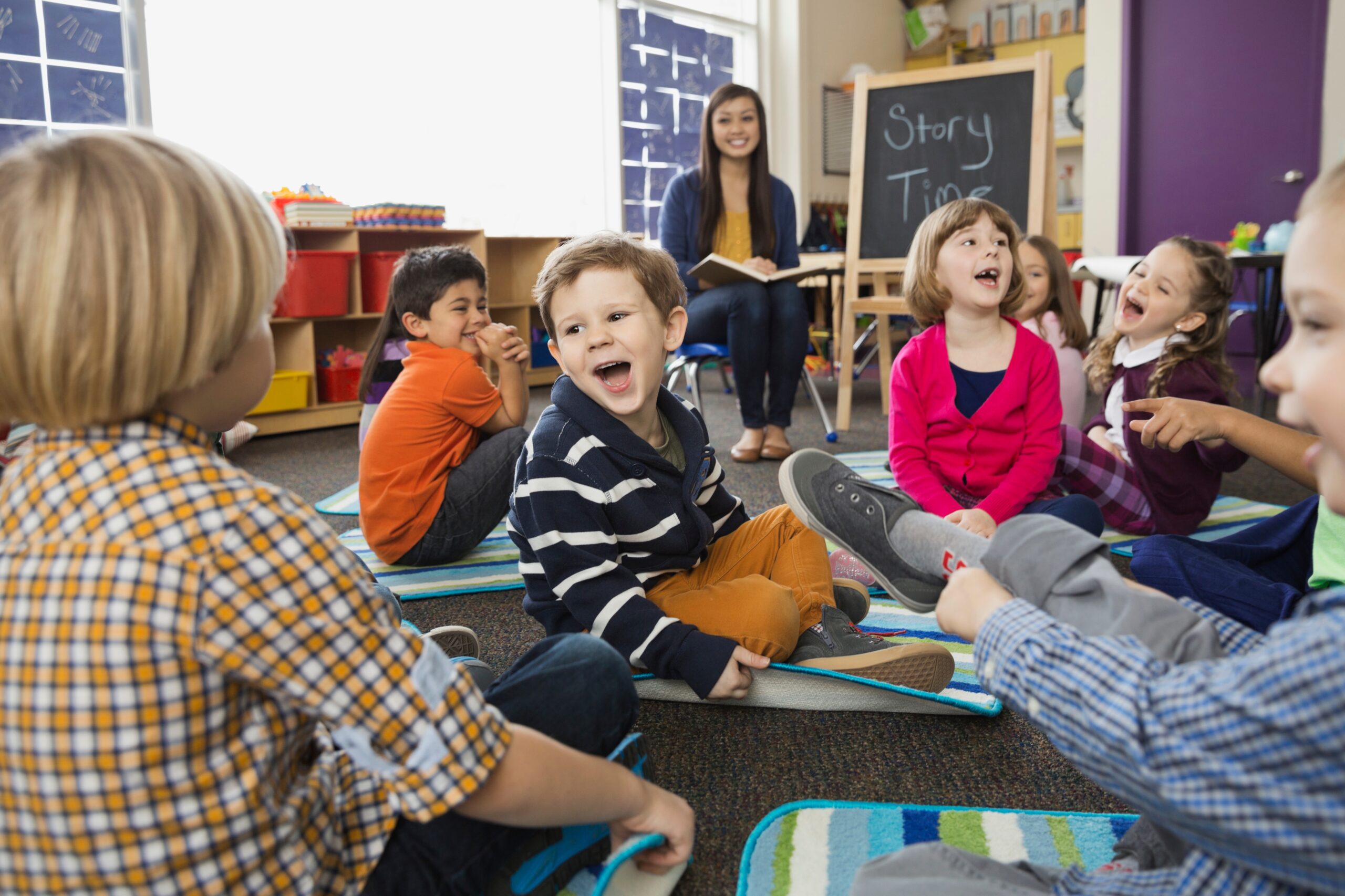
In preschool, learning happens first through the body and the imagination. A child playing store in English is not doing a vocabulary exercise — they are living a situation where language is a tool, not a subject. This play-based approach anchors both languages in emotional and sensory contexts, which significantly strengthens retention and the sheer pleasure of learning.
When a four-year-old slips a French word into an English sentence, they are not making a mistake. They are doing exactly what bilingual adults do around the world: reaching for the most immediately available resource. Linguists call this translanguaging, and it is a positive indicator of bilingual competence — not a sign of confusion between two systems.
Early bilingualism is not built in one hour a week. It requires daily, repeated exposure across varied and meaningful contexts. This is why preschool immersion — where the child spends entire days in a continuous linguistic environment — offers conditions that few other settings can replicate. Consistency is the bedrock of language acquisition.