Reading in two languages, a more natural act than we think
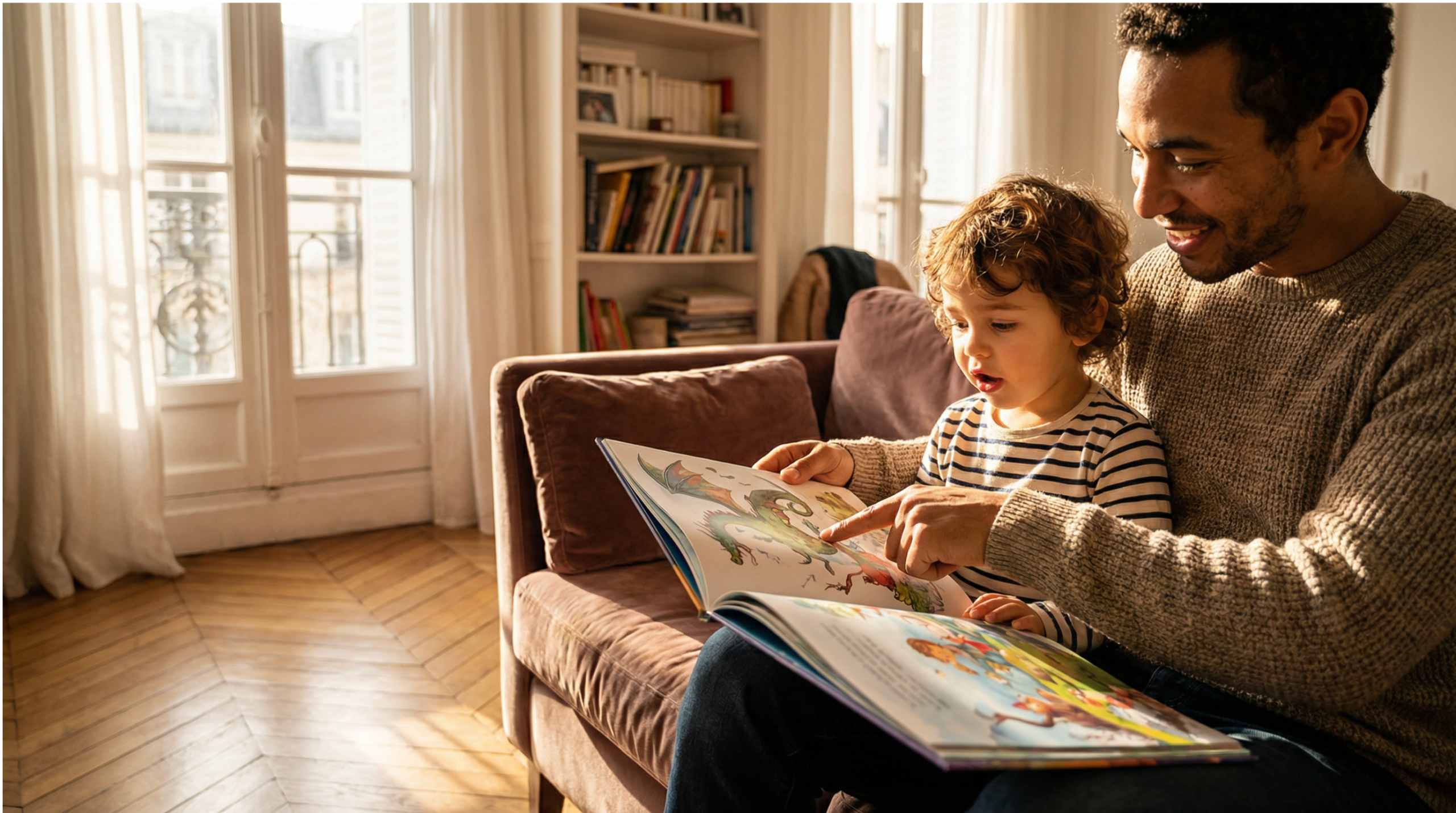
Many parents hesitate before handing an English book to a child who speaks mostly French, or the other way around. They worry it might complicate things, blur the learning process, or leave the child behind. And yet, shared reading in two languages is one of the most natural things a bilingual family can do. A young child does not draw the same distinction between a story in French and a story in English that an adult does. For them, it is first and foremost a voice, a rhythm, an emotion. They step into the world of the book before they think about the language it is written in.
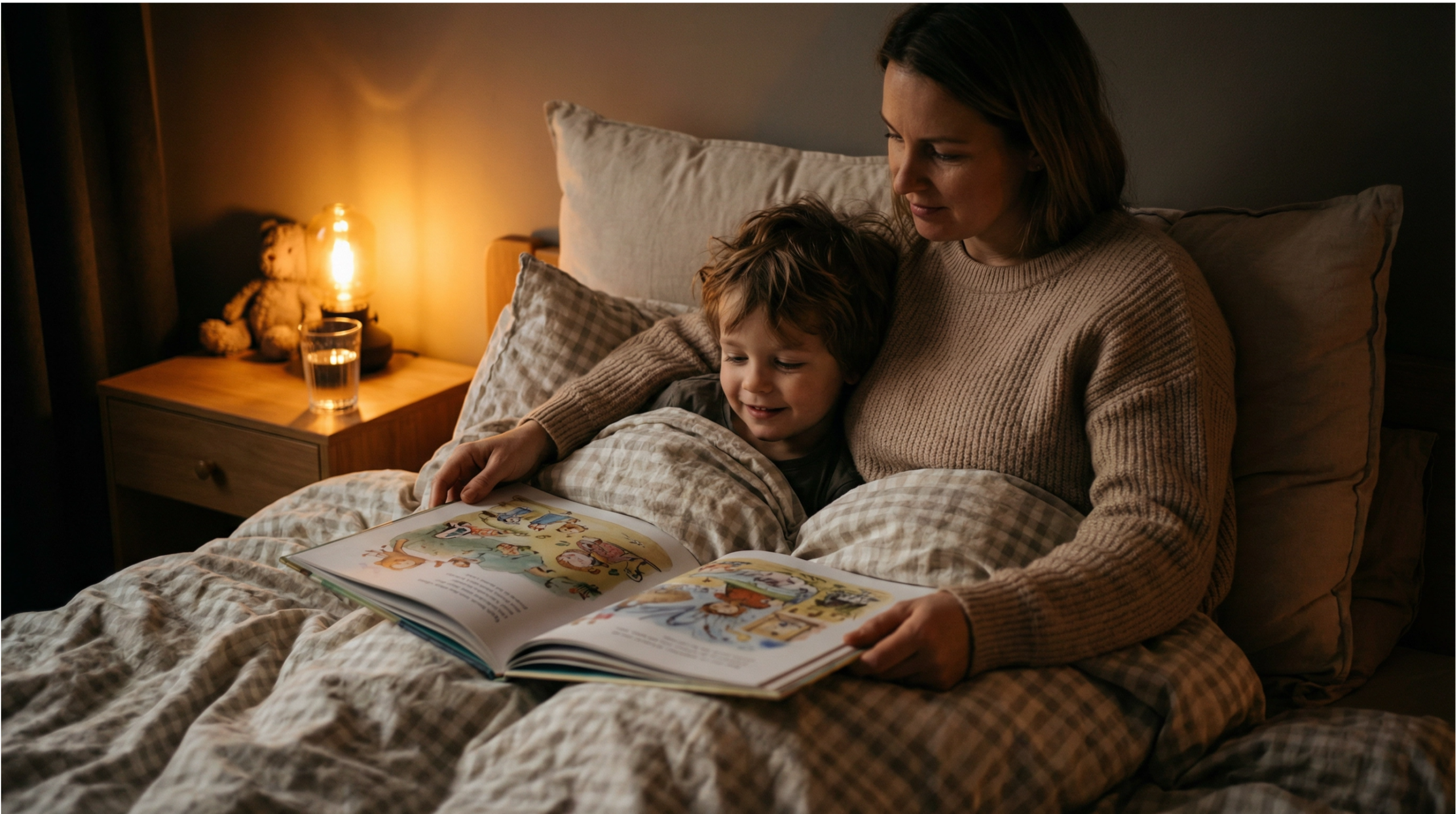
Research by psychologist Ellen Bialystok at York University in Toronto, published over the past two decades, shows that children regularly exposed to two languages develop stronger cognitive flexibility and selective attention. Reading aloud, in this context, is not a school drill. It is a playground. A picture book, a tactile board book, a story told in two voices — each of these moments builds something we do not always measure right away. The child absorbs intonations, sentence structures, ways of telling the world. They discover that words can change from one language to another without the meaning being lost. This is a deep, quiet, joyful kind of learning.