What elementary school builds beneath the surface
We often think of elementary school as a series of measurable milestones. Times tables. Past tense conjugations. First paragraphs written in a second language. All of this matters, of course. But something else is happening — something less visible and yet far more decisive.
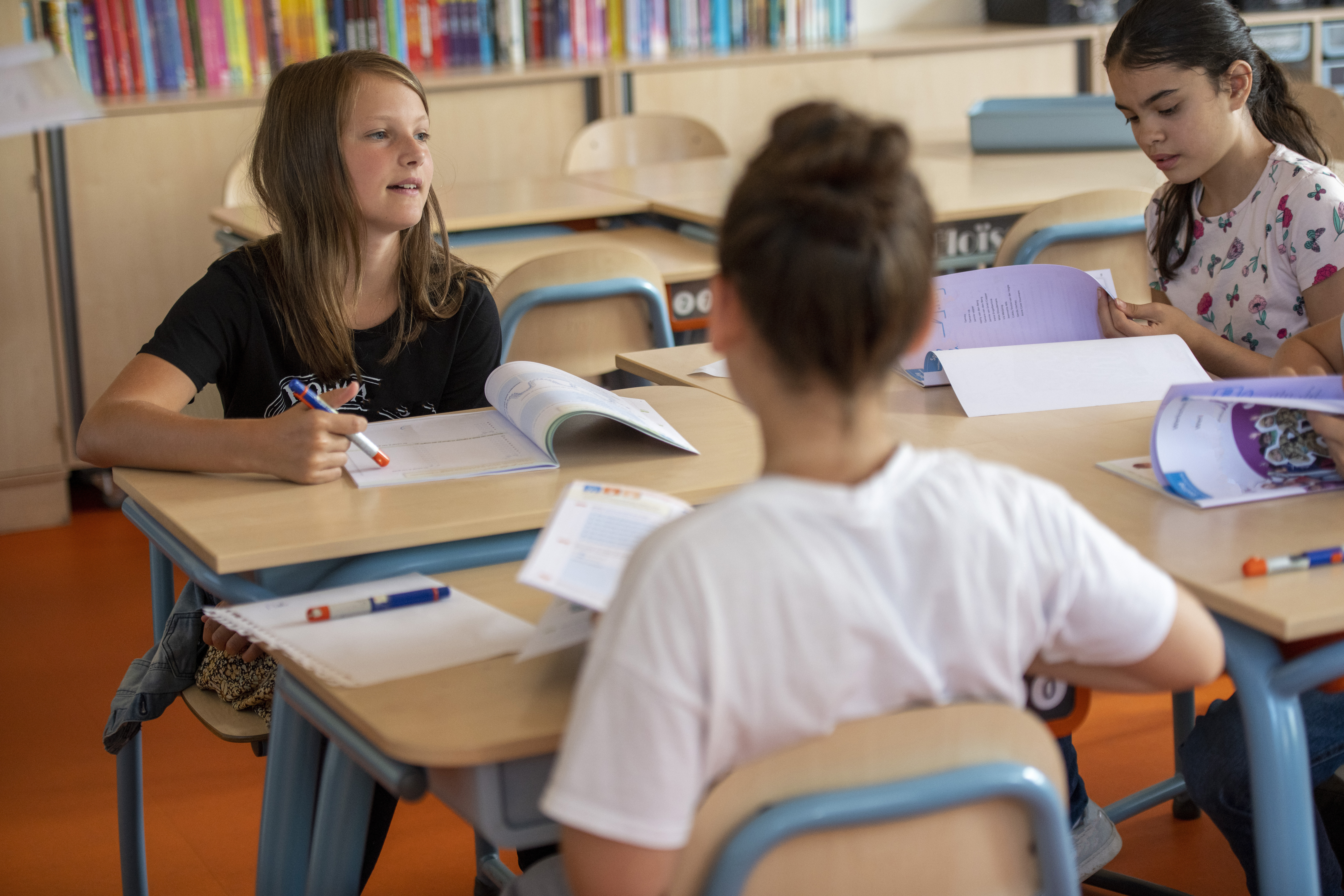
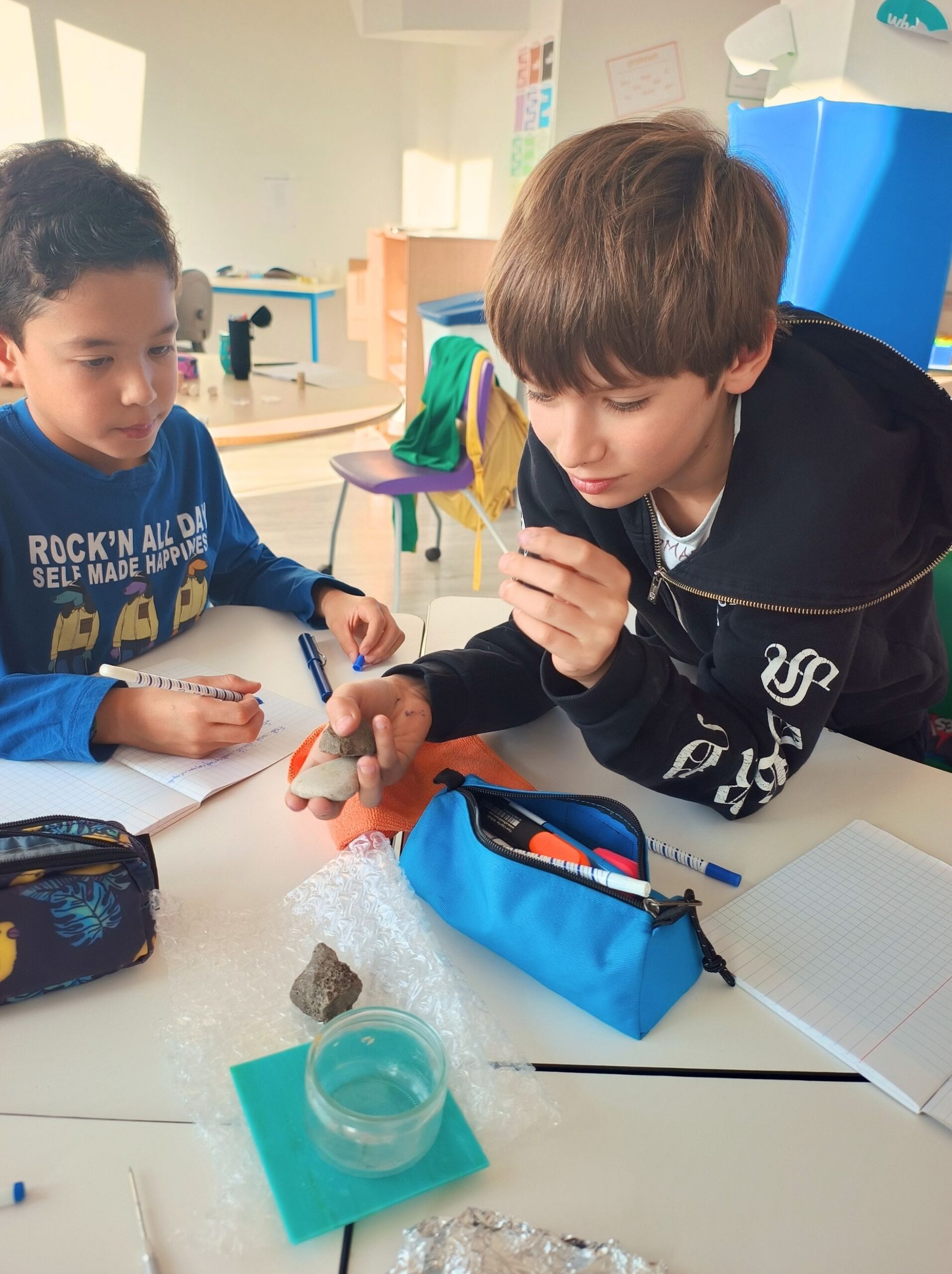
Between the ages of six and eleven, a child shapes their relationship to learning. They learn to face difficulty, to sit with not understanding right away, to try again without losing faith in themselves. In a school where learning happens in two languages, this process is doubly enriched. A child who struggles in French may find their footing in English, and the other way around. They discover that understanding doesn’t follow a single path, that thoughts can be expressed differently, that effort doesn’t always lead where you expected — but it always leads somewhere.
It is within this carefully held space of challenge that confidence takes root. Not in ease, not in mechanical repetition, but in the repeated experience of stretching beyond what felt possible. A child who learns to move between two systems of thought learns, without knowing it, to be flexible, attentive, and resilient.
What you see when a child feels they belong
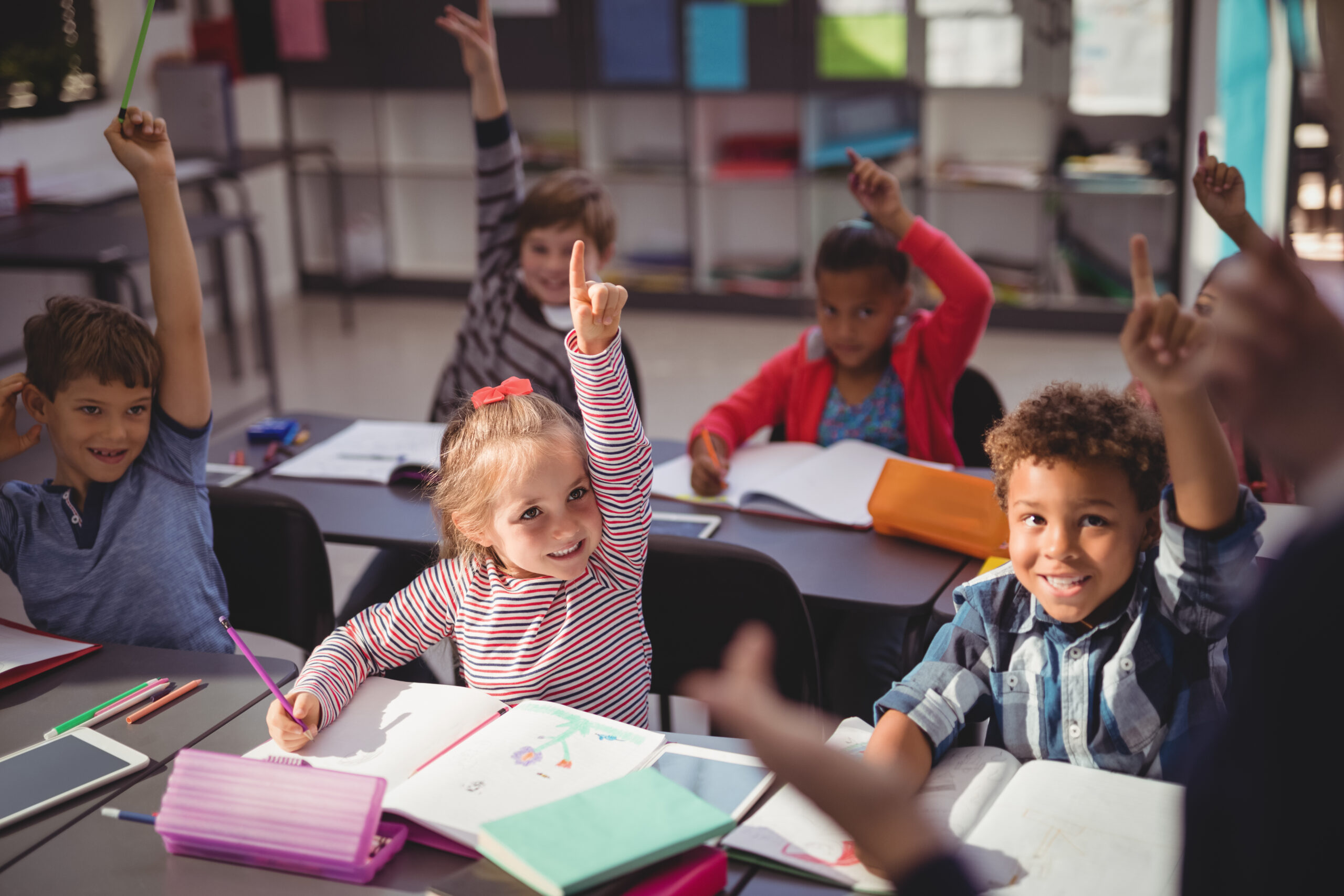
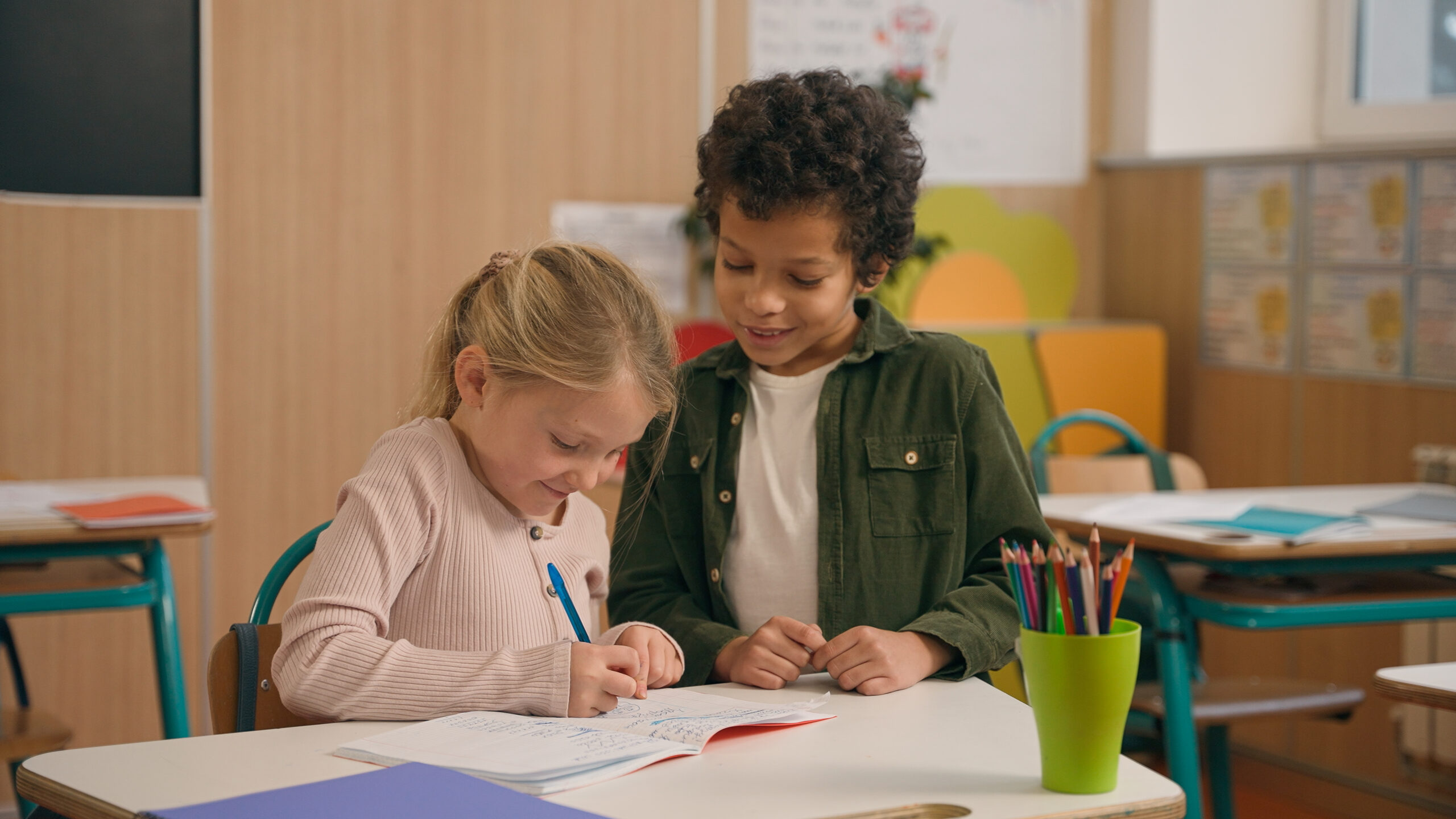
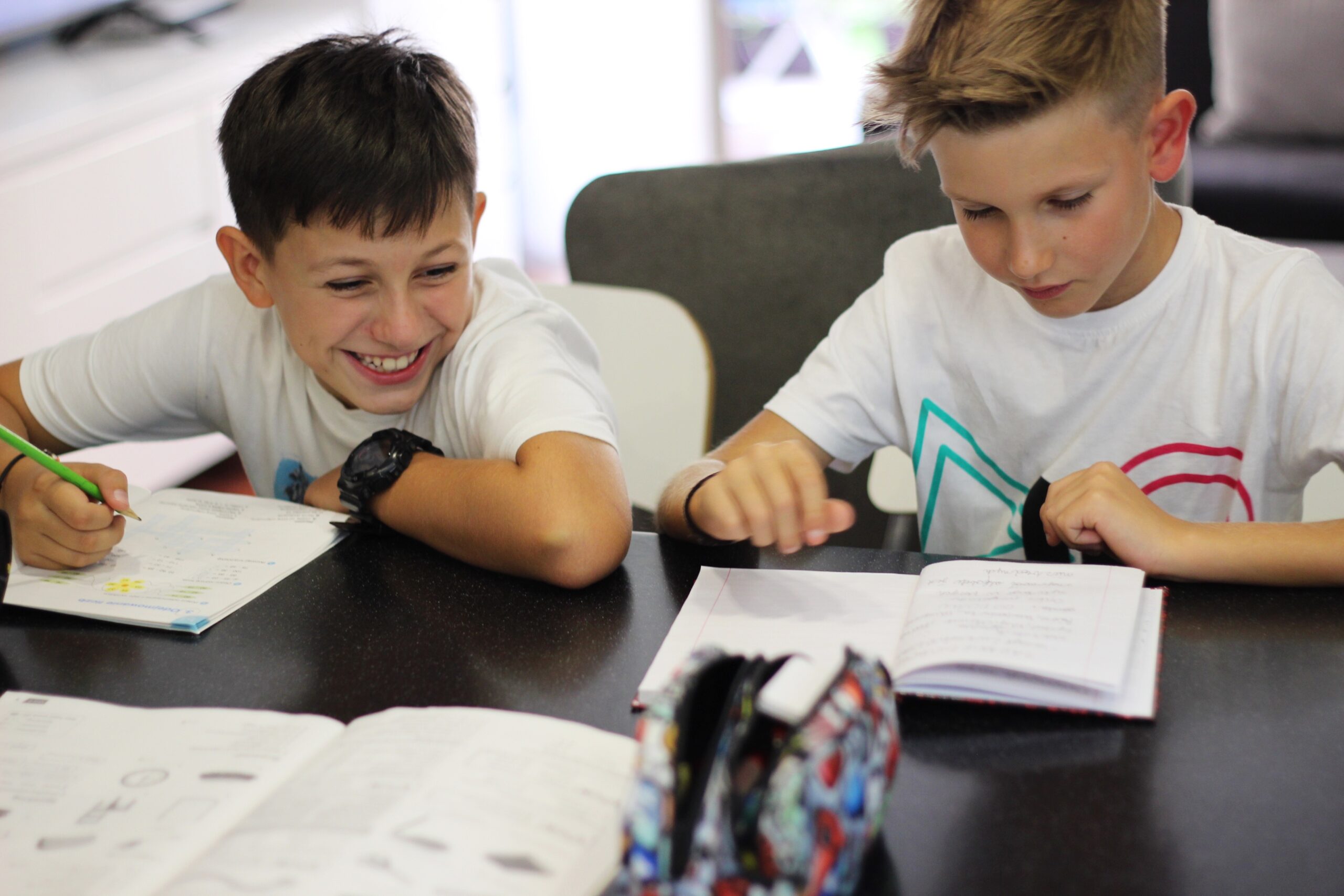
It doesn’t show up on a report card or a ranking. It shows in the way a child walks into the classroom each morning. In the hand raised without fear of being wrong. In the shared laugh between two students who don’t speak the same first language but understand each other perfectly. These are small moments, fleeting details, but they say everything. A child who feels confident dares. They ask questions. They accept help from a classmate without shame. They redo an exercise on their own, simply because they want to get it right.
Two languages, one momentum
By elementary school, switching between languages is no longer a hurdle. It becomes a reflex, sometimes a game. Children rephrase an idea in English after hearing it in French, find a word in one language when it escapes them in the other. This linguistic agility is also an intellectual one. It gives children the feeling that they can adapt, that they have the inner resources to navigate unfamiliar situations with ease.
Mistakes as learning ground
Making mistakes is part of the process, especially in a bilingual setting where linguistic risk-taking happens every day. When a child attempts a complex sentence in their second language, they are implicitly accepting imperfection. This habit, nurtured year after year, builds a healthy relationship with effort and perseverance. The child learns that approximation is not failure — it is a step forward.
The teacher’s gaze that changes everything
In a small class, every child is seen. The teacher notices hesitation before it becomes a block. They catch the quiet spark of pride after a successfully completed exercise. They adjust, slow down, encourage at just the right moment. This attentive gaze doesn’t replace the child’s own work, but it offers a framework in which that work finds meaning and value.
A foundation for what comes next
Elementary school doesn’t just prepare children for middle school. It prepares them for life in society, for dialogue, for the ability to stand with confidence among others. A child who has grown up between two cultures, two ways of thinking and learning, carries something that report cards don’t always reflect — but that the rest of their journey will confirm.