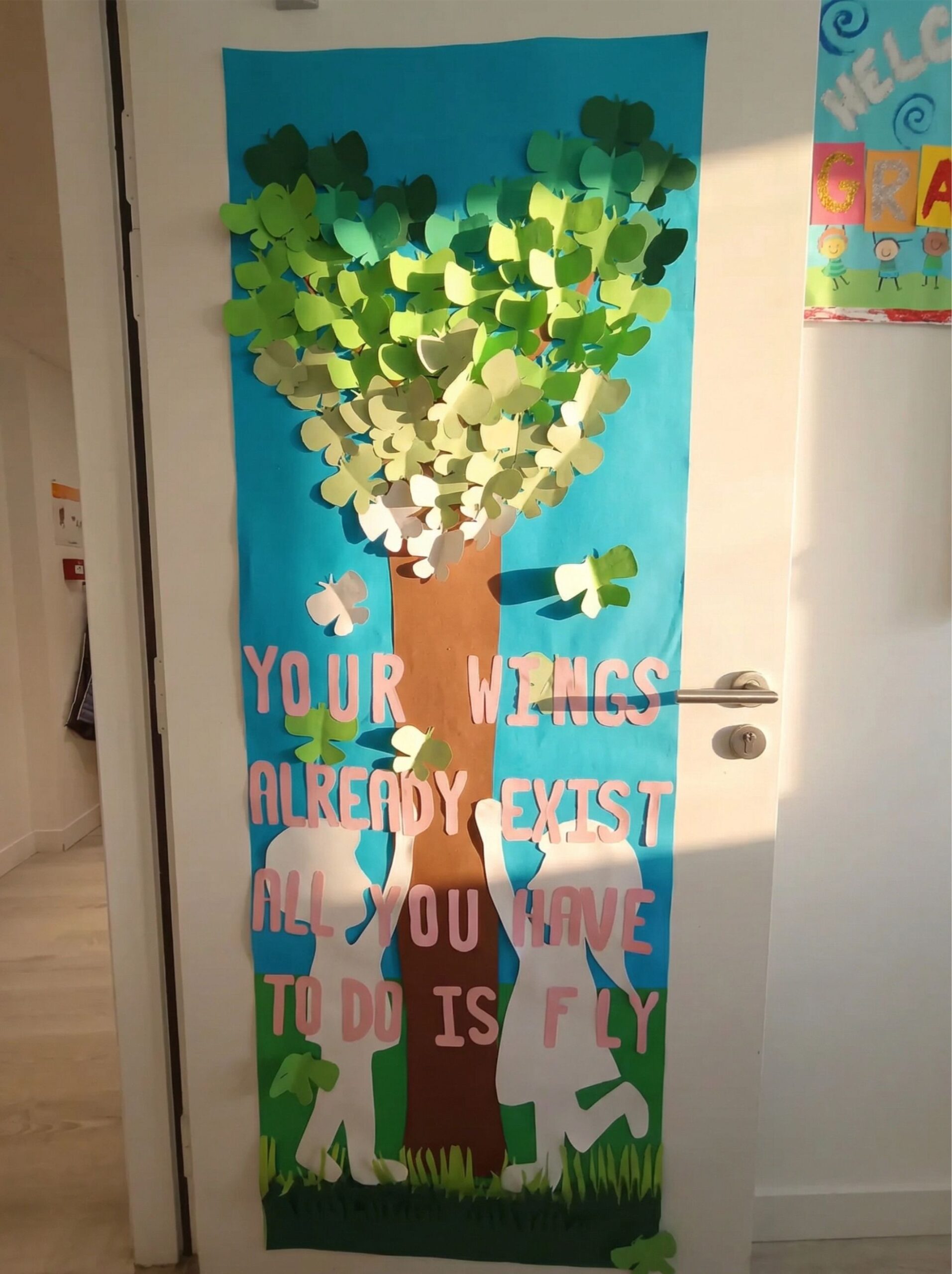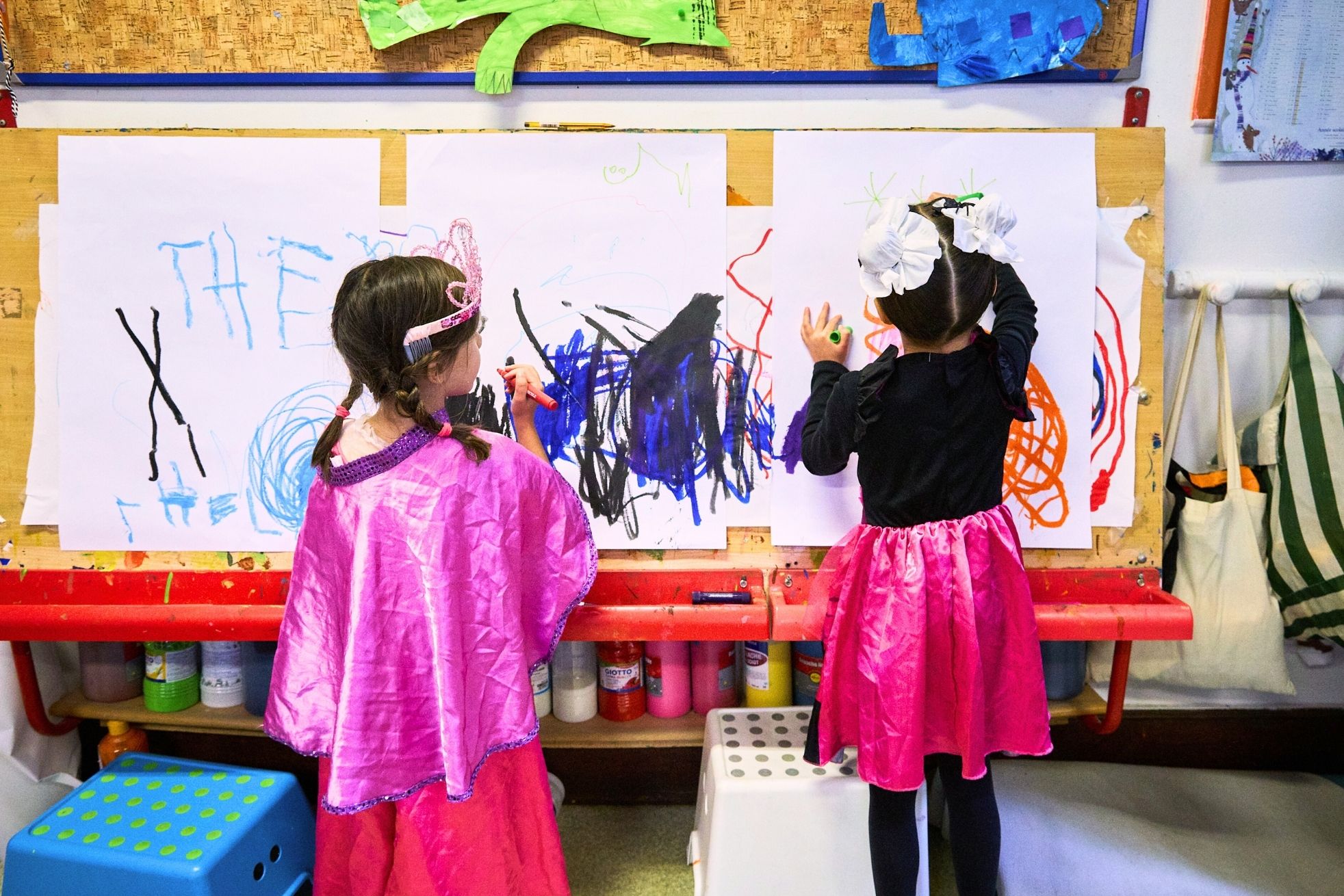
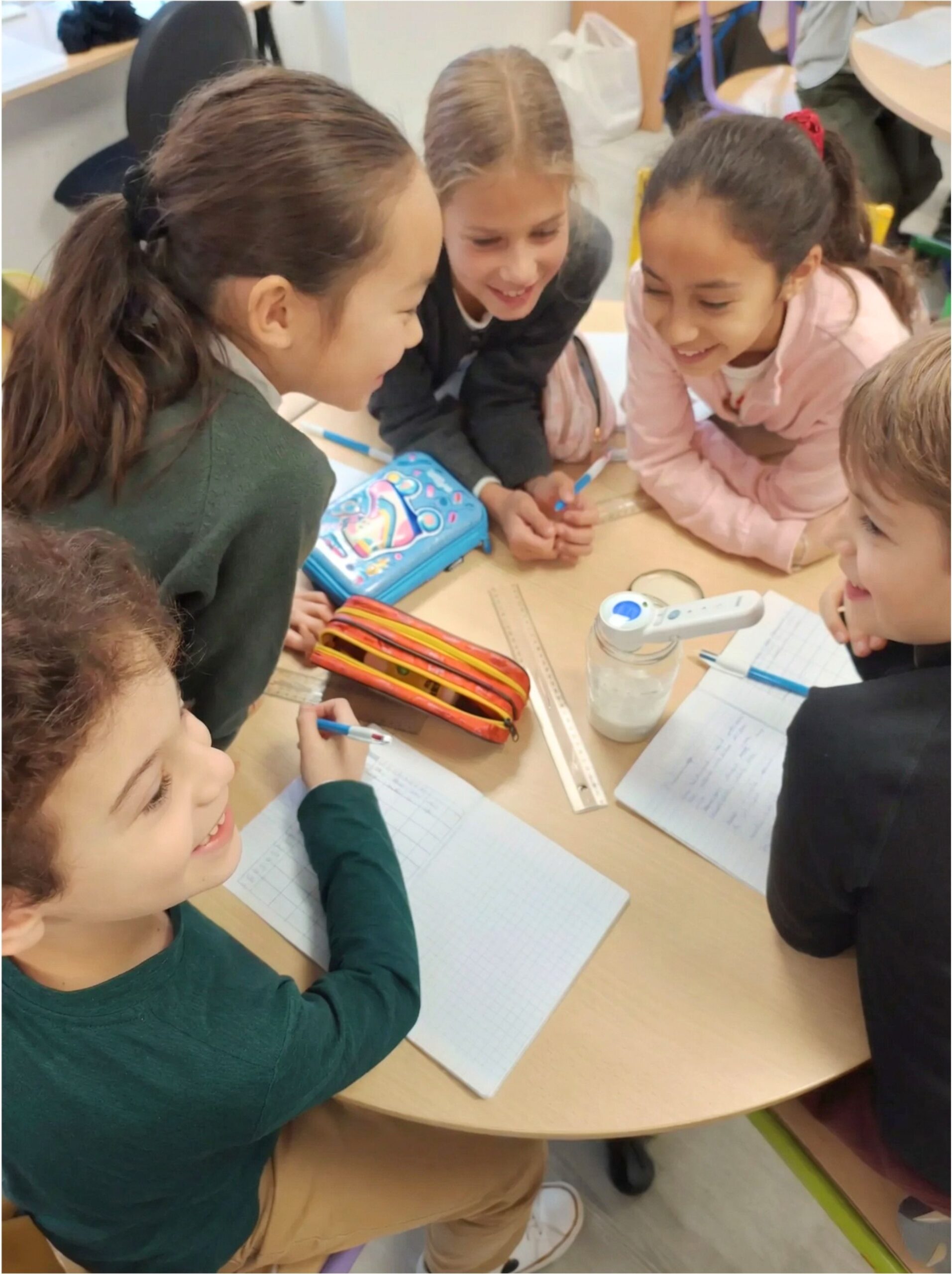
The Project: A World on Their Scale
In preschool, a pedagogical project is not an instruction, but an invitation. It often arises from a simple question, a shared moment of wonder: “How do leaves change color?” or “What if we built our own city?” The teacher does not provide the answer; they create the framework that will allow the children to find it. By assembling, drawing, or acting things out, they are not just learning about a subject. They are learning to collaborate, to listen to a classmate’s idea, to overcome a small challenge, and to feel the pride of having contributed to a common work. This is a pedagogy of action and meaning, where each step is a victory that nurtures self-confidence and instills a lasting love for learning.
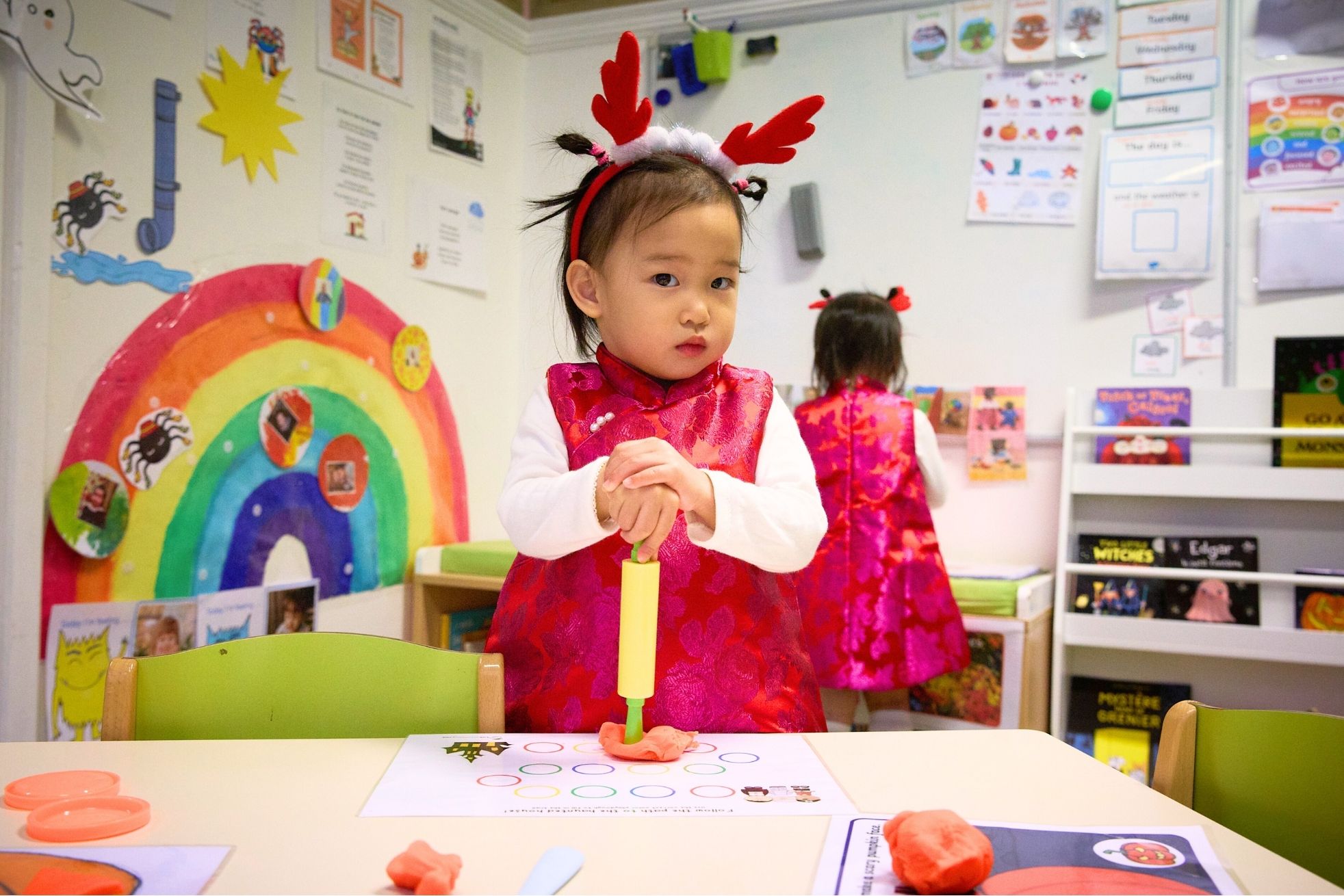
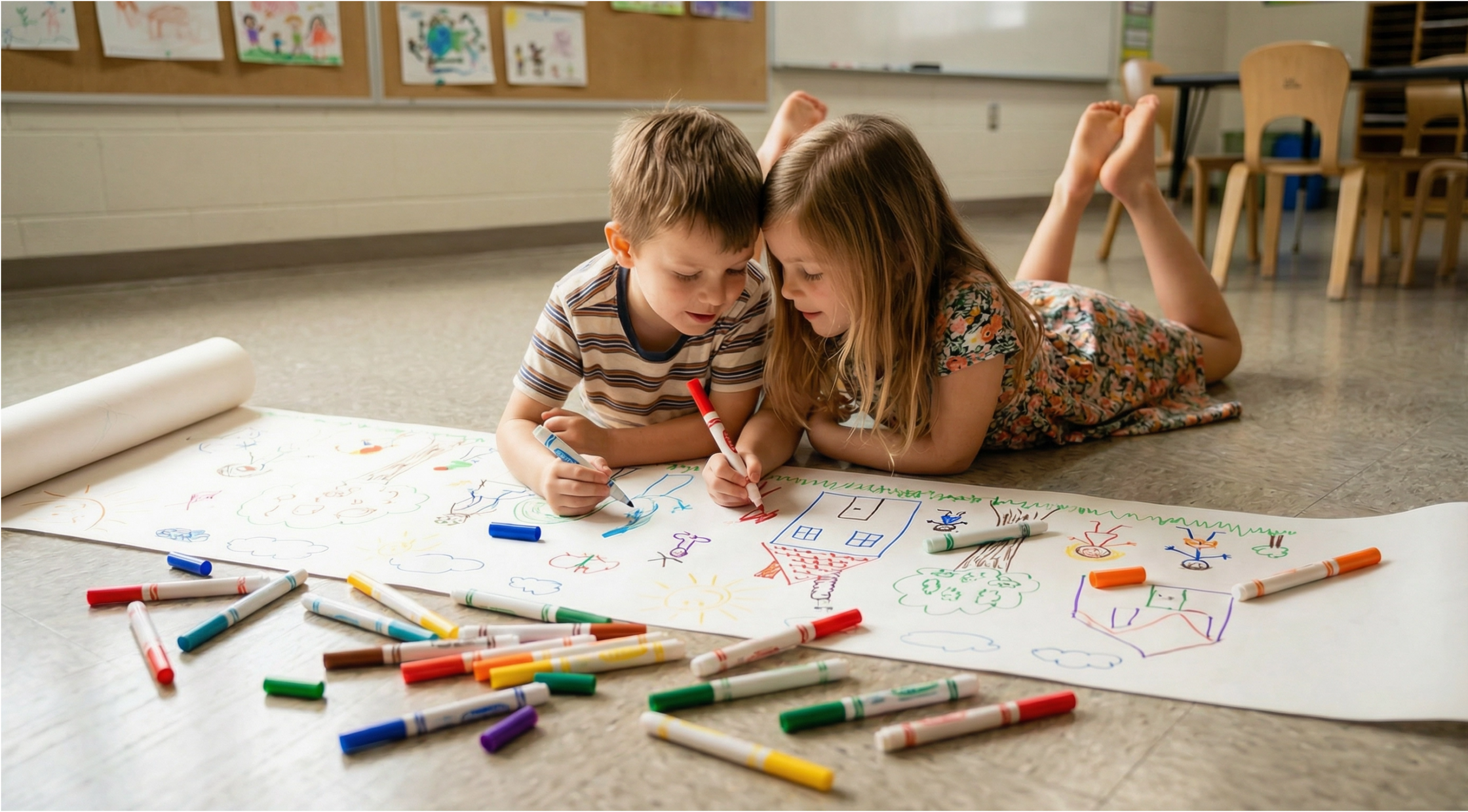
An Idea That Comes to Life in Their Hands
It all starts with a spark, a conversation, a book read in class. The idea takes shape and becomes a shared goal. Hands get busy, voices unite. They search, they try, they start over. The project becomes a living story, a narrative in which the children are the heroes. Each day adds another stone to the structure, and the final result, whether a wall mural or a small vegetable patch, is much more than an object: it is the symbol of their commitment and their ability to turn an intention into reality.
Learning to Do Together
A project is a powerful social experience. It teaches a child to find their place in a group, to share materials, to wait their turn, to formulate an idea, and to welcome those of others. It is the concrete learning of cooperation, where one’s success depends on the actions of another. These interactions build the foundations of mutual respect.
From Curiosity to Knowledge
A project channels a child’s natural curiosity toward a goal. By seeking to understand how an object works or how a plant grows, they develop their ability to observe, to question, and to reason. Knowledge is not abstract; it is the answer to a question they have asked themselves.
The Pride of Saying, "We Made This"
The culmination of a project is a moment of great value. Seeing the finished work and being able to show it is a source of immense pride. This satisfaction instills in the child an essential sense of competence: they become aware that they are capable of achieving things, overcoming obstacles, and seeing an idea through to completion.
A Visible Trace of Learning
The project leaves a concrete and positive trace in the child’s environment. Whether it is an exhibition in the hallway or a planting in the yard, this achievement materializes learning and makes it visible to all. It is a silent celebration of the journey taken, which inspires future projects.