Two perspectives on the same child
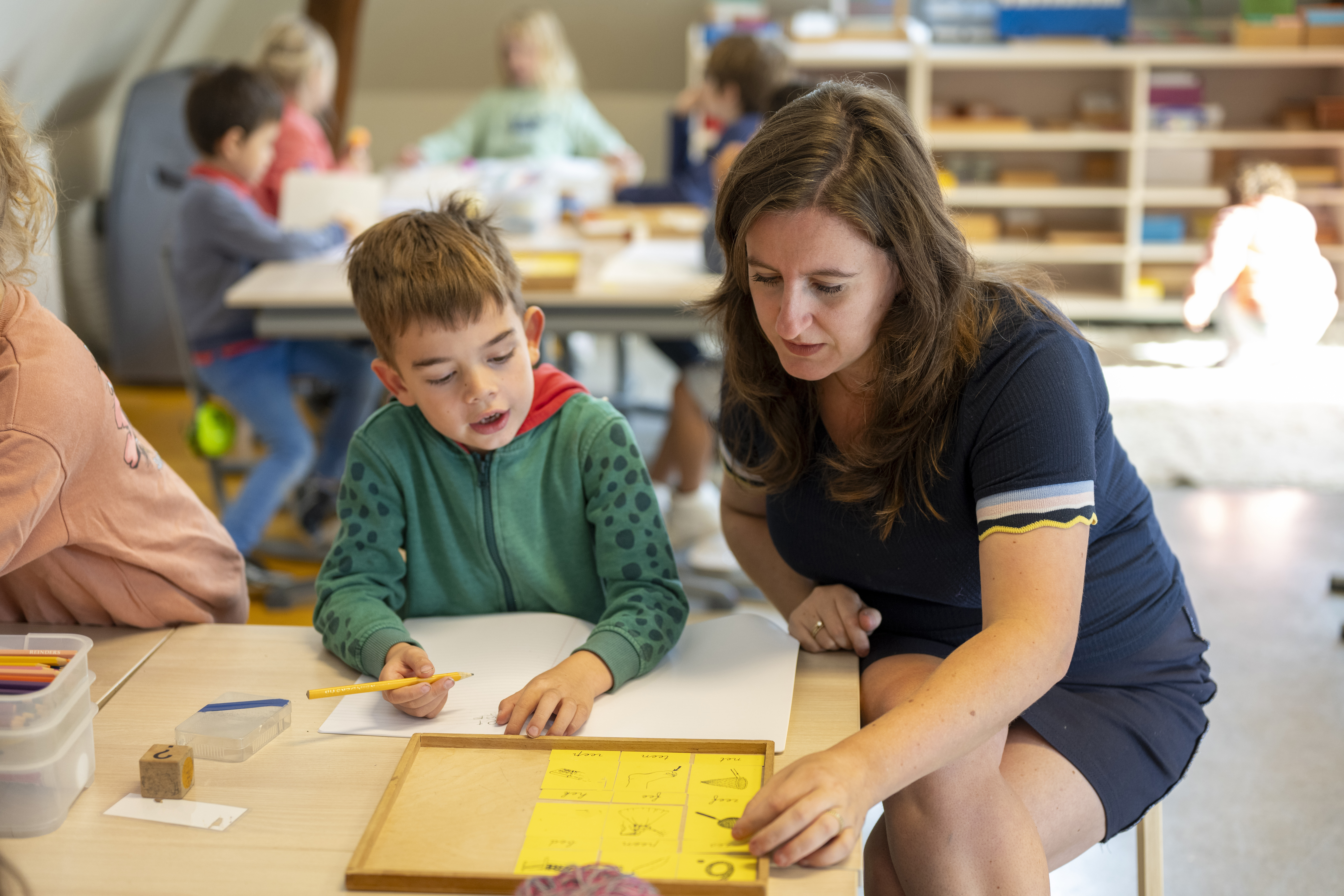
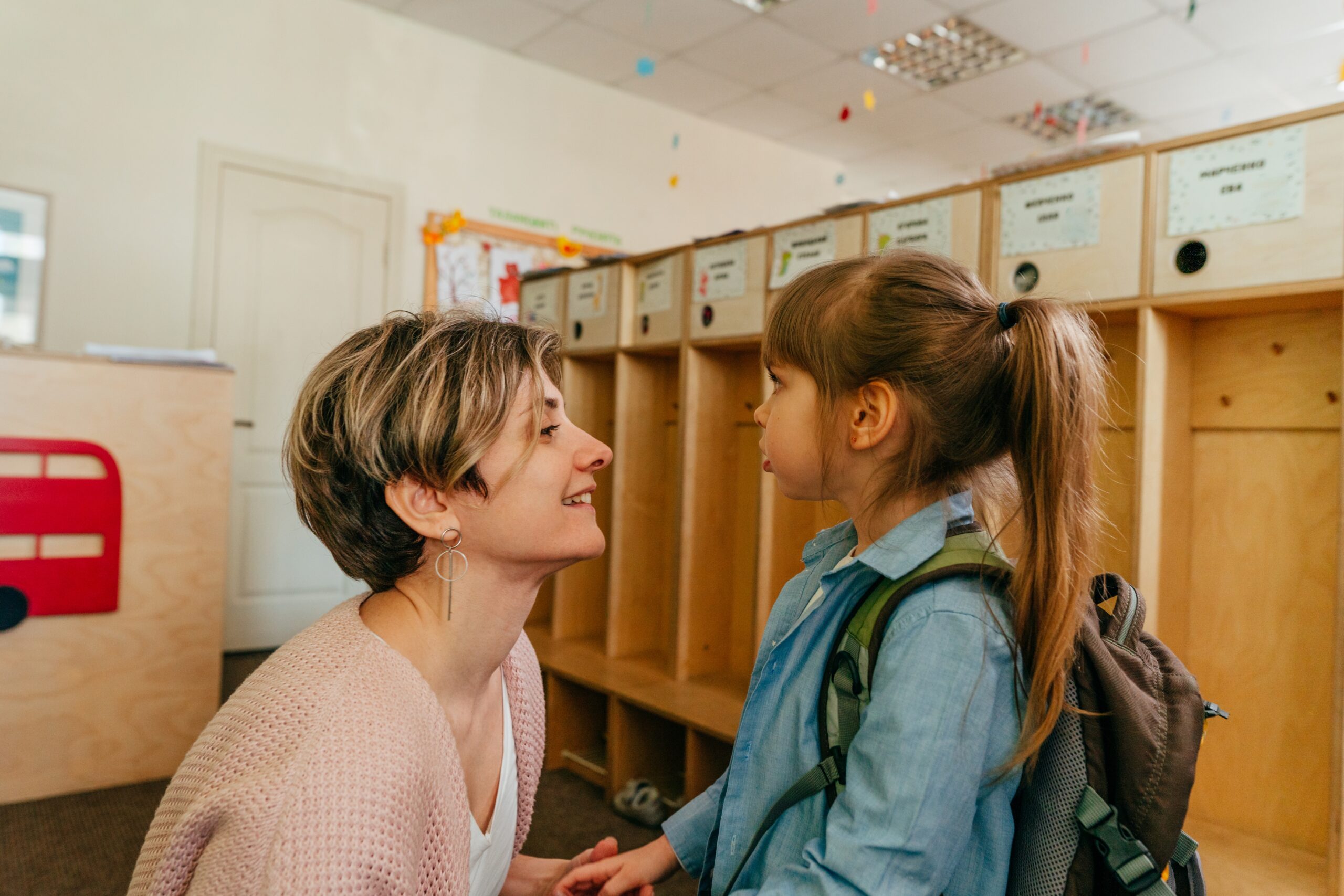
A teacher sees a child within the group—navigating instructions, friendships, small frustrations and quiet victories. A parent sees that same child at home, in the morning fog, in the evening slump, on Sunday when the week spills out in stories or silence. These two viewpoints are not competing. They are completing each other. What a teacher notices in class—a dip in focus, a surge of generosity, a recurring hesitation—takes on new meaning when a parent fills in the backdrop. And what the parent observes at home, the tension or the excitement, often makes more sense once the teacher shares what unfolded during the day. Research in education supports this: according to Adams and Christenson (Journal of School Psychology, 2000), the quality of parent-teacher interaction is a stronger predictor of trust than the frequency of contact. It is not the number of meetings that matters, but the substance of what is shared within them. When each adult accepts that the other holds a distinct piece of the child’s story, the dialogue becomes genuinely productive. The child, in turn, senses that coherence. They feel the adults around them are talking, respecting one another, pulling in the same direction. And that feeling—no curriculum in the world can replicate it.

When words flow freely
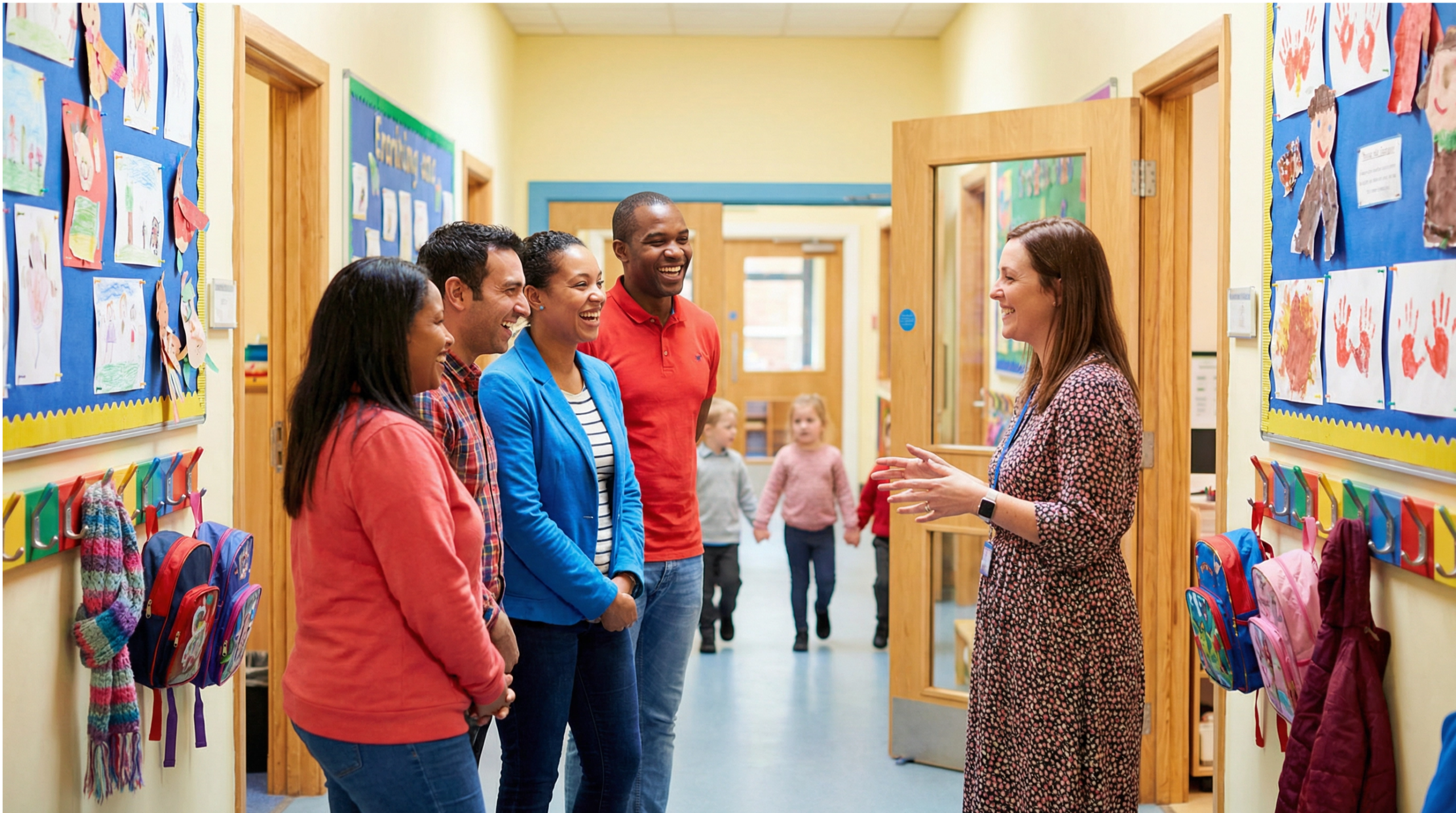
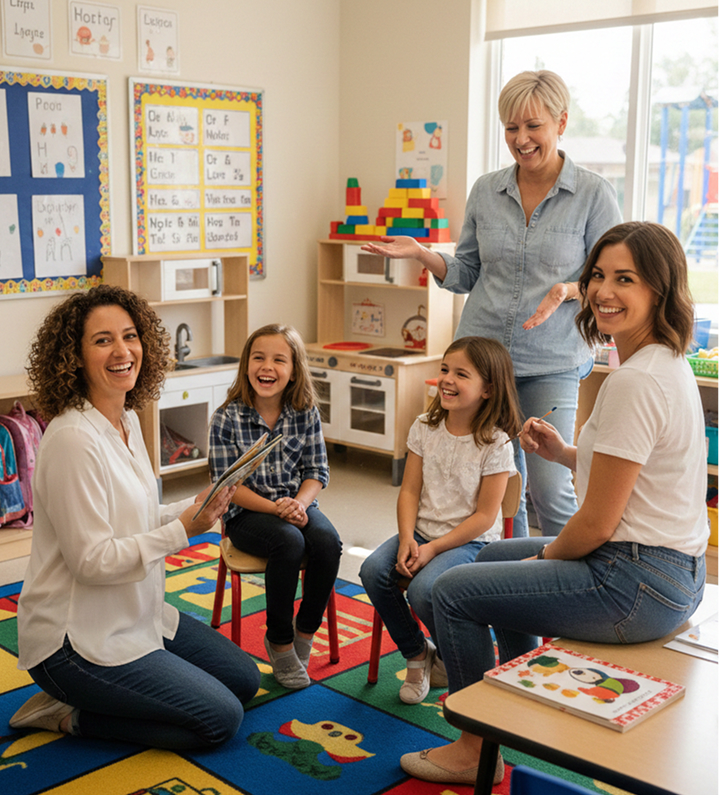
In schools where trust is present, you feel it from the threshold. Parents don’t hesitate to approach, to ask a question, to share an observation. Teachers, for their part, don’t wait for the formal conference to voice what they’ve noticed. Catherine Hurtig-Delattre, a specialist in co-education and former researcher at the French Institute for Education, describes this as “mutual esteem”: a shared respect that transcends the difference in roles. Neither the teacher lectures on parenting, nor the parent dictates pedagogy. But both seek to know and understand one another, in service of the one at the center: the child.
The first exchange sets the tone
It often starts before the school year even begins. A phone call, a note, a first meeting that is not about grades but about the child—what they love, what worries them, how they wake up in the morning. When this first contact feels human and free of formality, it lays the groundwork for everything that follows. A 2025 Swedish study published in ScienceDirect found that a higher level of direct parent-teacher interaction during the introduction period positively supports the building of the child-teacher relationship.
Name what’s going well before what concerns you
When a teacher begins with what is working, when they acknowledge a success before addressing a difficulty, the conversation shifts register entirely. The parent feels like a partner, not a person summoned for a report. The American Federation of Teachers (2007) put it plainly: schools that communicate bad news more often than they recognize achievement discourage parental involvement. Regular appreciation, on the other hand, opens the space for real dialogue.
Accepting that no one has the full picture
A teacher who says “I’m not sure yet, but I’m going to keep observing” inspires more trust than an instant diagnosis. A parent who says “at home, it’s different” is not expressing disagreement but adding depth. Trust does not come from certainty. It comes from a shared willingness to look together, to adjust, to stay attentive to what the child is saying between the lines.
Building together, not against each other
The Early Learning Network (University of Nebraska-Lincoln) has shown that when a genuine partnership forms between parents and teachers, children develop stronger social skills, fewer behavioral issues, and a greater ability to adapt. The goal is not to agree on everything, but to share the same horizon: that each child feels supported, understood, and carried forward.