What fatigue is really telling you
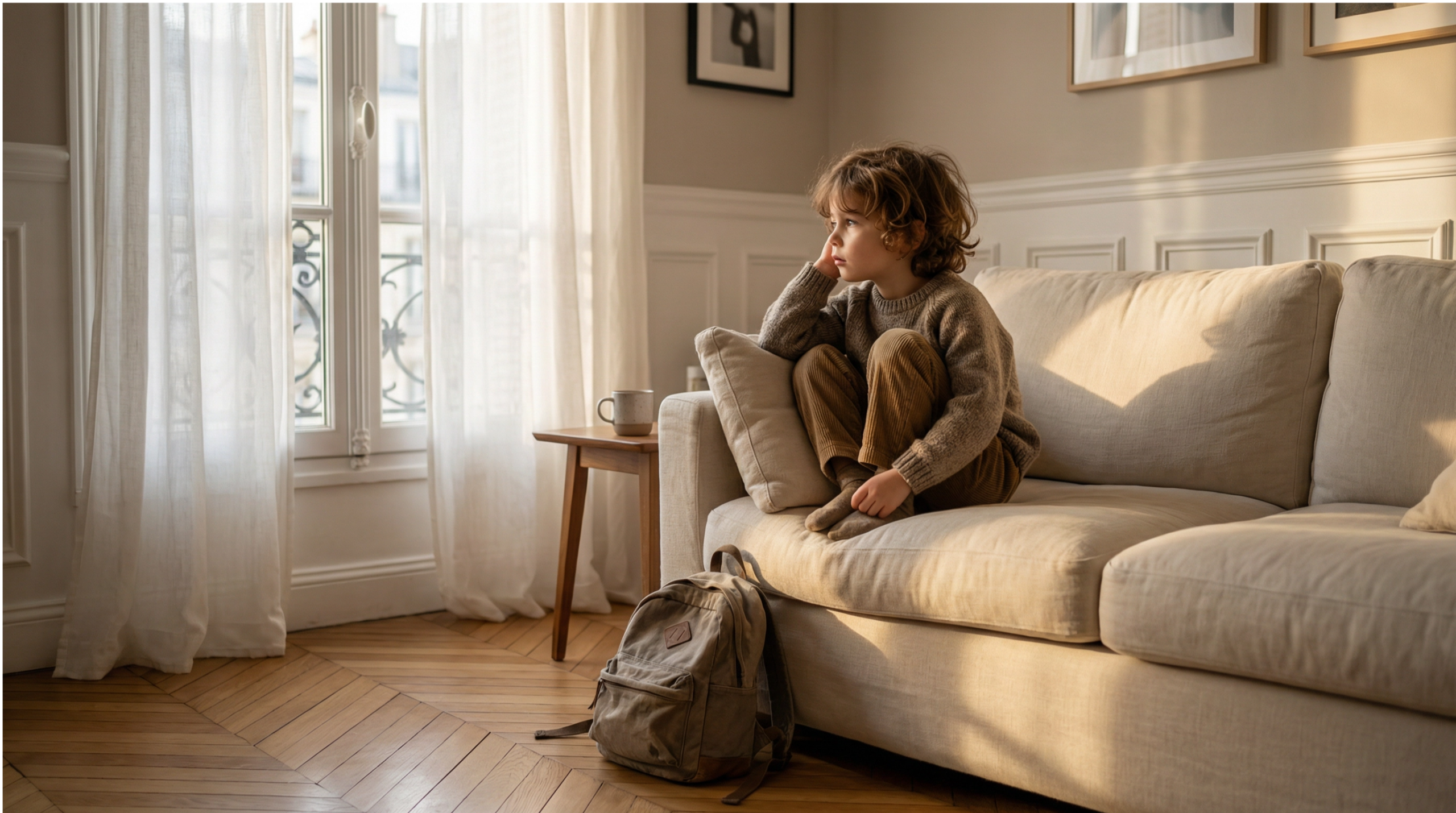
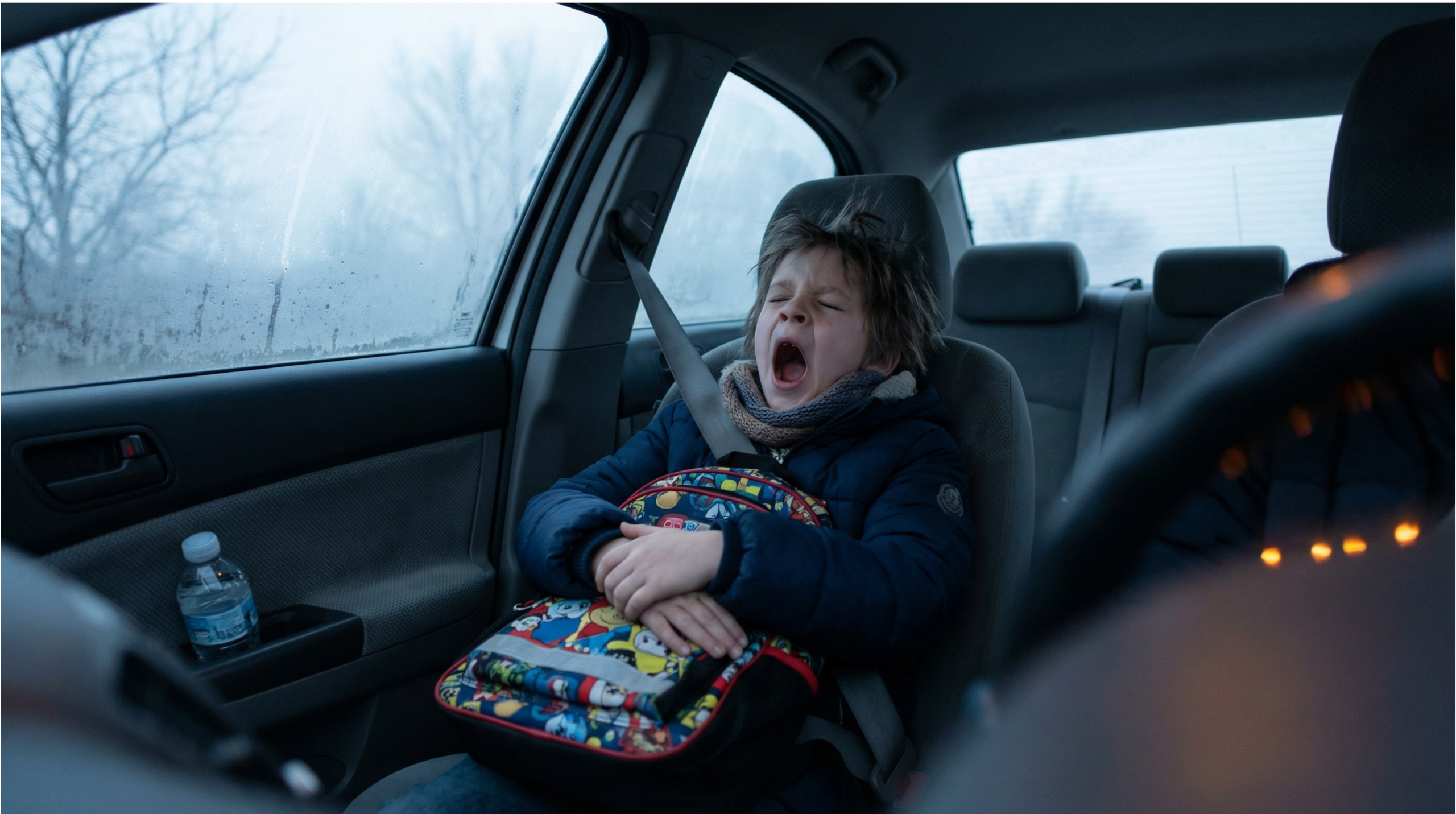
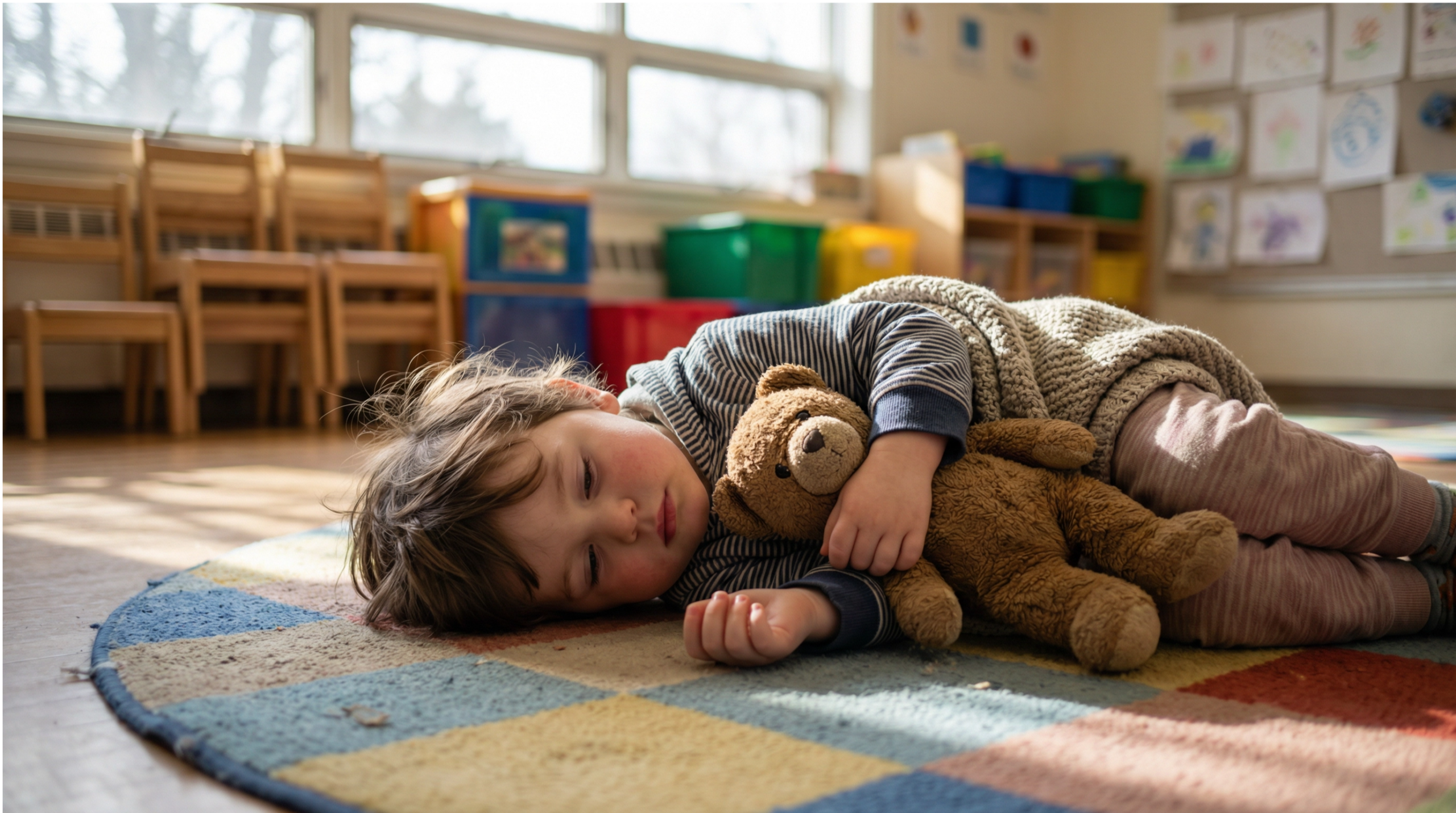
A tired child almost never says they’re tired. They show it differently. They rub their eyes on the way home from school, refuse dinner, dissolve into tears because their socks feel wrong. In younger children, between three and five, fatigue often appears as less energetic play, a paradoxical resistance to bedtime, or falling asleep at unexpected moments. In school-age children, it takes other forms: reluctance to participate, complaints of headaches or stomachaches with no medical cause, concentration difficulties that didn’t exist a few weeks earlier.
Behind these behaviors, there is often an invisible imbalance. Spending several hours focused in a classroom places intense demands on memory and attention, generating a mental fatigue that children typically express through more agitated behavior. School life isn’t only about lessons: social interactions, playground dynamics, confrontations with classmates form a cocktail of accumulated feelings and stress that can surface unpredictably once the child gets home. The gap between a well-behaved child at school and an unsettled child in the evening is not defiance. It’s a signal that the brain needs to rest. And it’s in the fine-grained observation of everyday moments, theirs and their teachers’, that parents find the first answers.
When overload becomes invisible
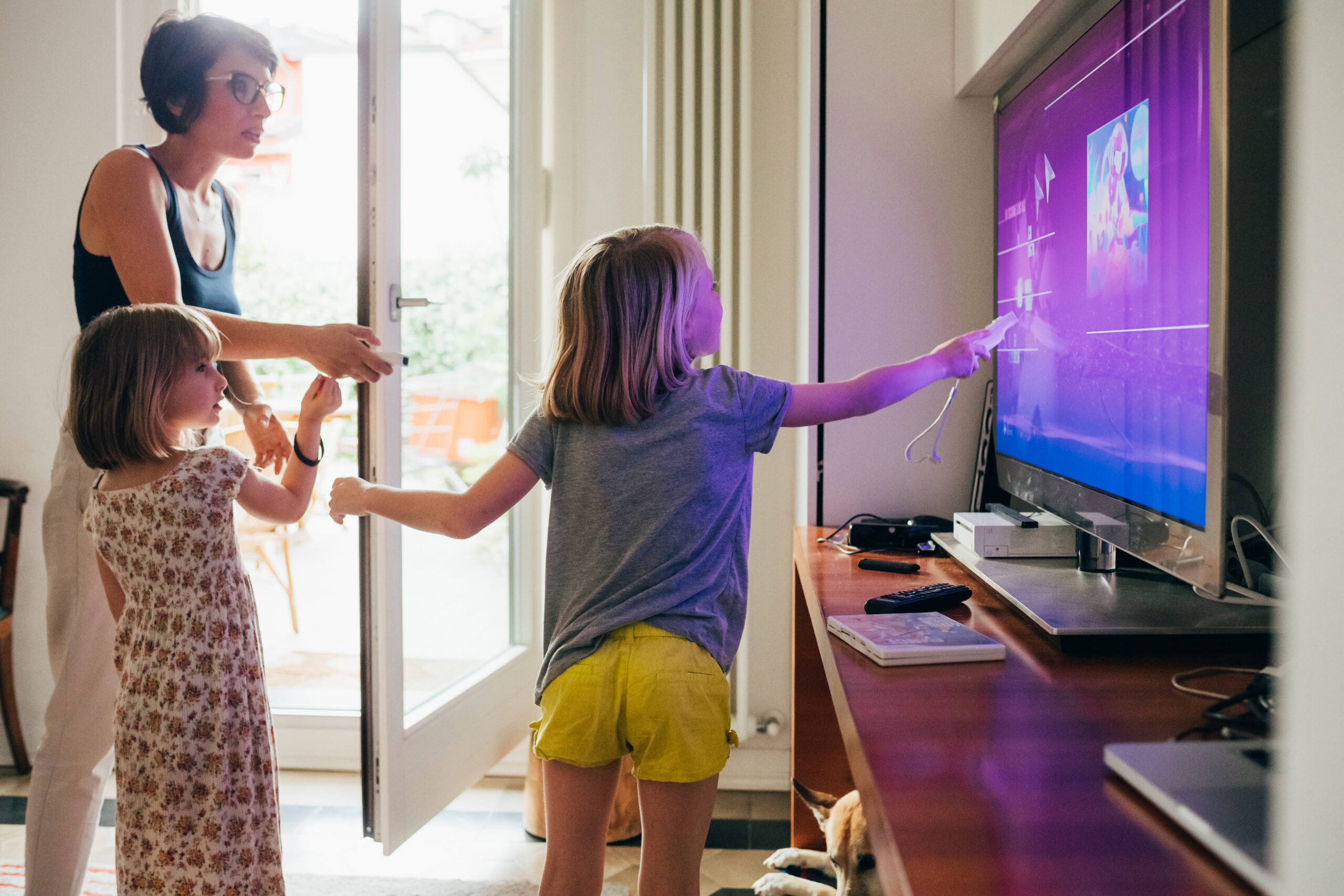
Overload doesn’t always come from school. It accumulates between extracurricular activities, commutes, homework, and screen time. According to the American Academy of Pediatrics, children between two and five should have no more than one hour of non-educational screen time per day on weekdays, a threshold most families routinely exceed. A 2025 survey by Lurie Children’s Hospital in Chicago found that parents consider nine hours of screen time per week ideal for their children, yet the actual average lands at twenty-one hours weekly. That gap between intention and practice speaks volumes about how genuinely difficult it is to manage a child’s digital life without guilt or rigidity.
Sleep as the first indicator
Difficulty falling asleep, frequent nighttime awakenings, or recurring nightmares are not trivial. They can reveal an entrenched nervous fatigue or a stress level that undermines recovery. The World Health Organization recommends between eleven and fourteen hours of daily sleep for children aged three to five, and between nine and twelve hours at school age. A child who sleeps enough yet wakes up exhausted deserves a closer look at the quality of their nights, and at what comes before them.
Irritability is not a character trait
When a child becomes irritable over a prolonged period, when they cry over situations they handled with ease just weeks earlier, the reflex is often to correct the behavior. Yet this irritability frequently stems from cognitive overload. After absorbing and processing information all day long, the brain can no longer regulate emotions with the same ease. The answer lies not in firmness, but in slowing down.
The quiet withdrawal
A child who loses sustained interest in learning, who becomes quieter, avoids peers, or adopts a withdrawn posture may be expressing a deeper psychological fatigue. In younger children, chronic tiredness sometimes translates into repeated physical complaints, especially in the morning before school. These symptoms are neither invented nor exaggerated: they reflect a discomfort the child does not yet know how to name any other way.
Adjusting without overhauling everything
Recognizing these signals is already a form of action. Offering a quiet space after school, reducing screens in the evening, lightening an overloaded schedule, listening without interrogating: these simple gestures often allow a child to regain balance. A child’s own words remain the most precious indicator of their state. Listening without dramatizing means giving them the room to say what weighs on them, at their own pace.